
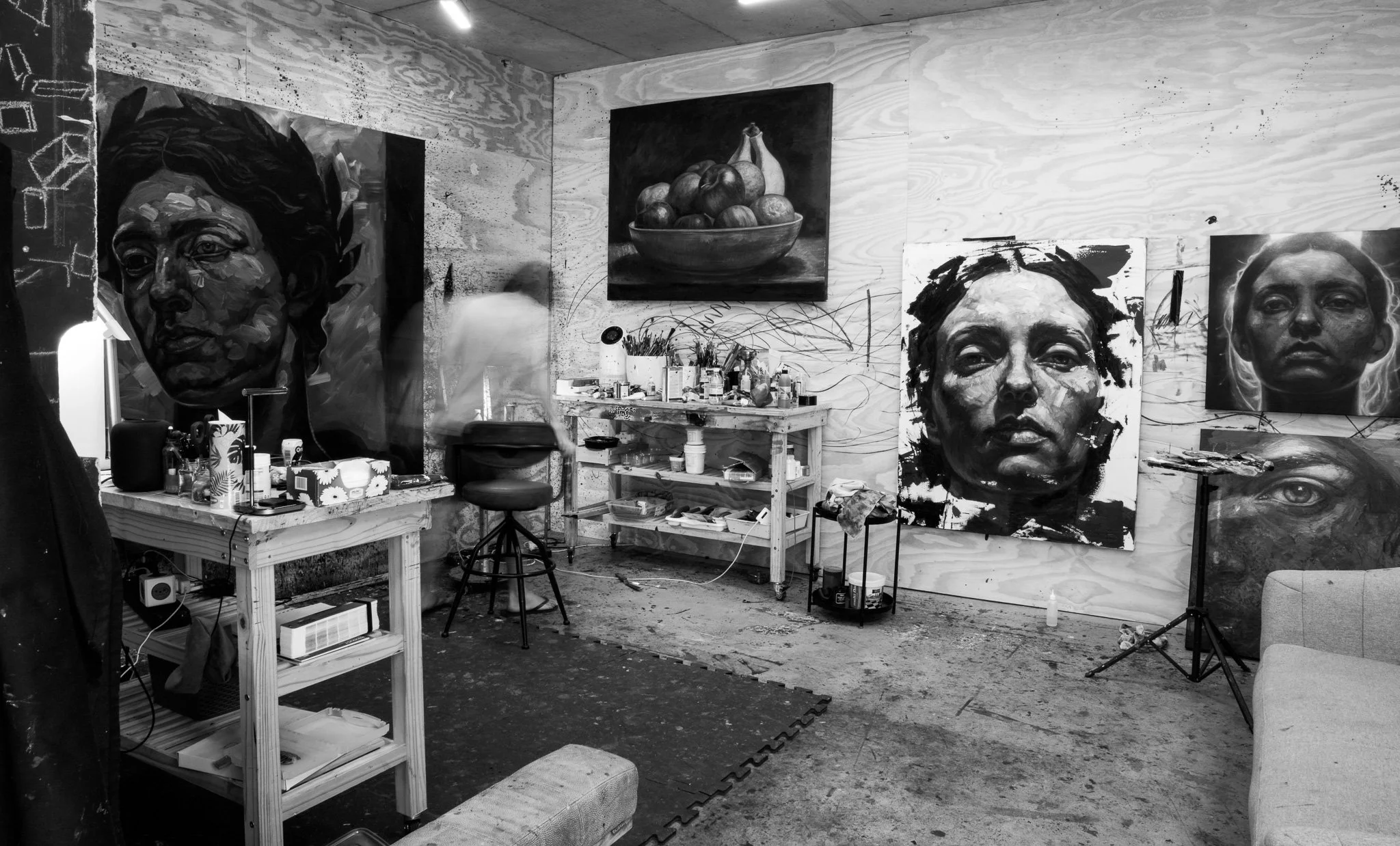
REDUCED ELEMENT
Solo Exhibition, Everard Read, London, 2026
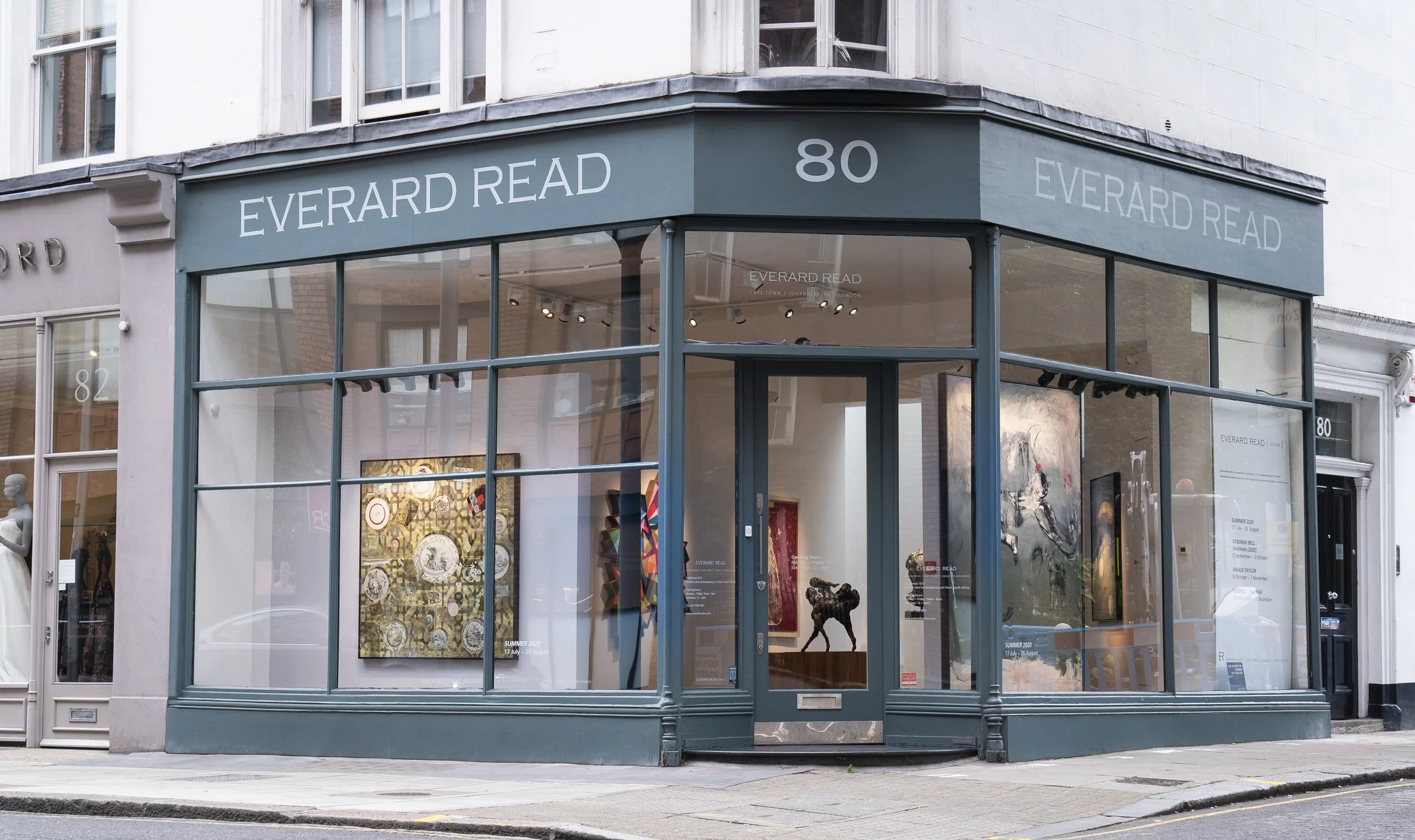
80 Fulham Road, London, SW3 6HR1
15 May - 13 June 2026
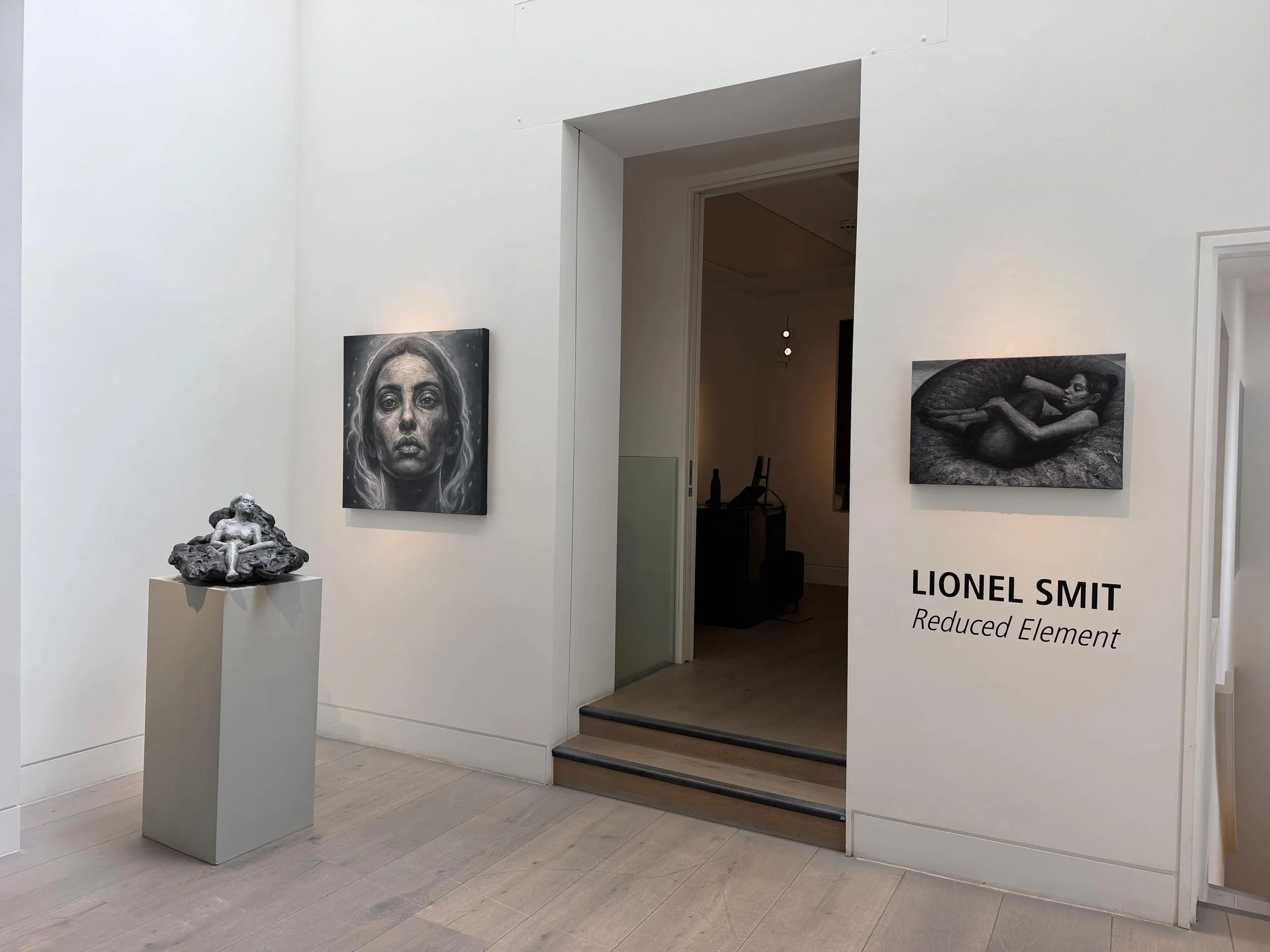
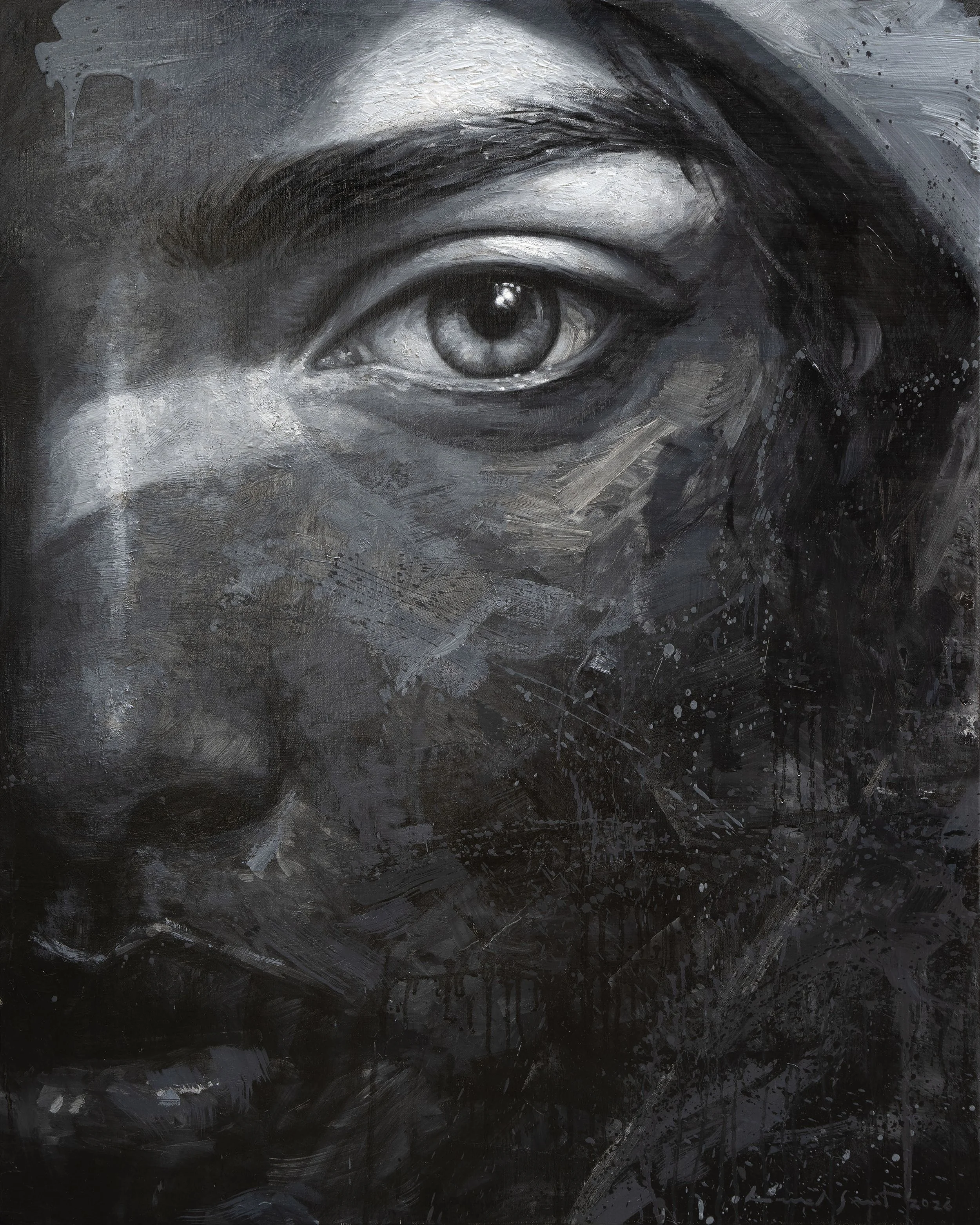
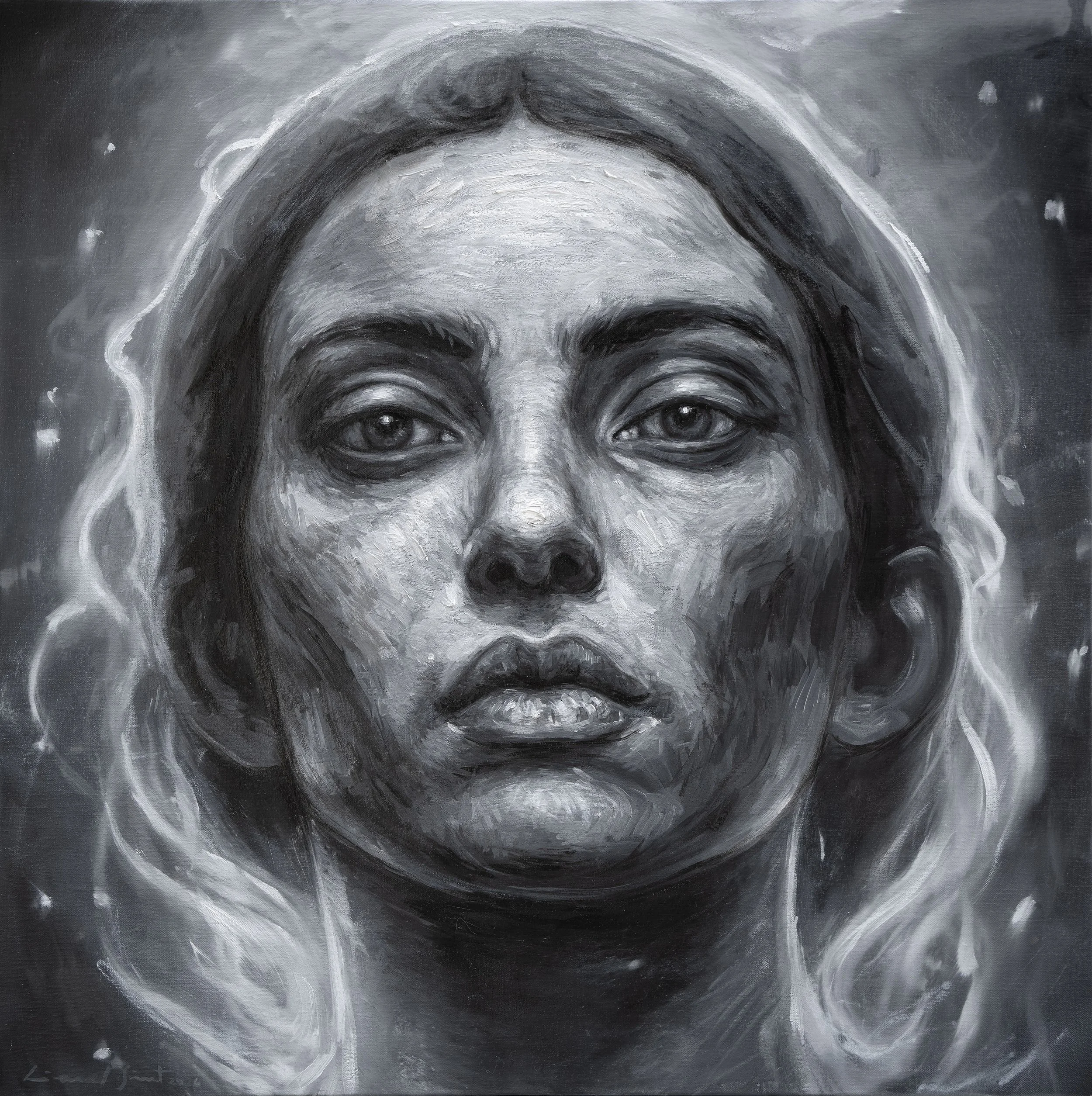
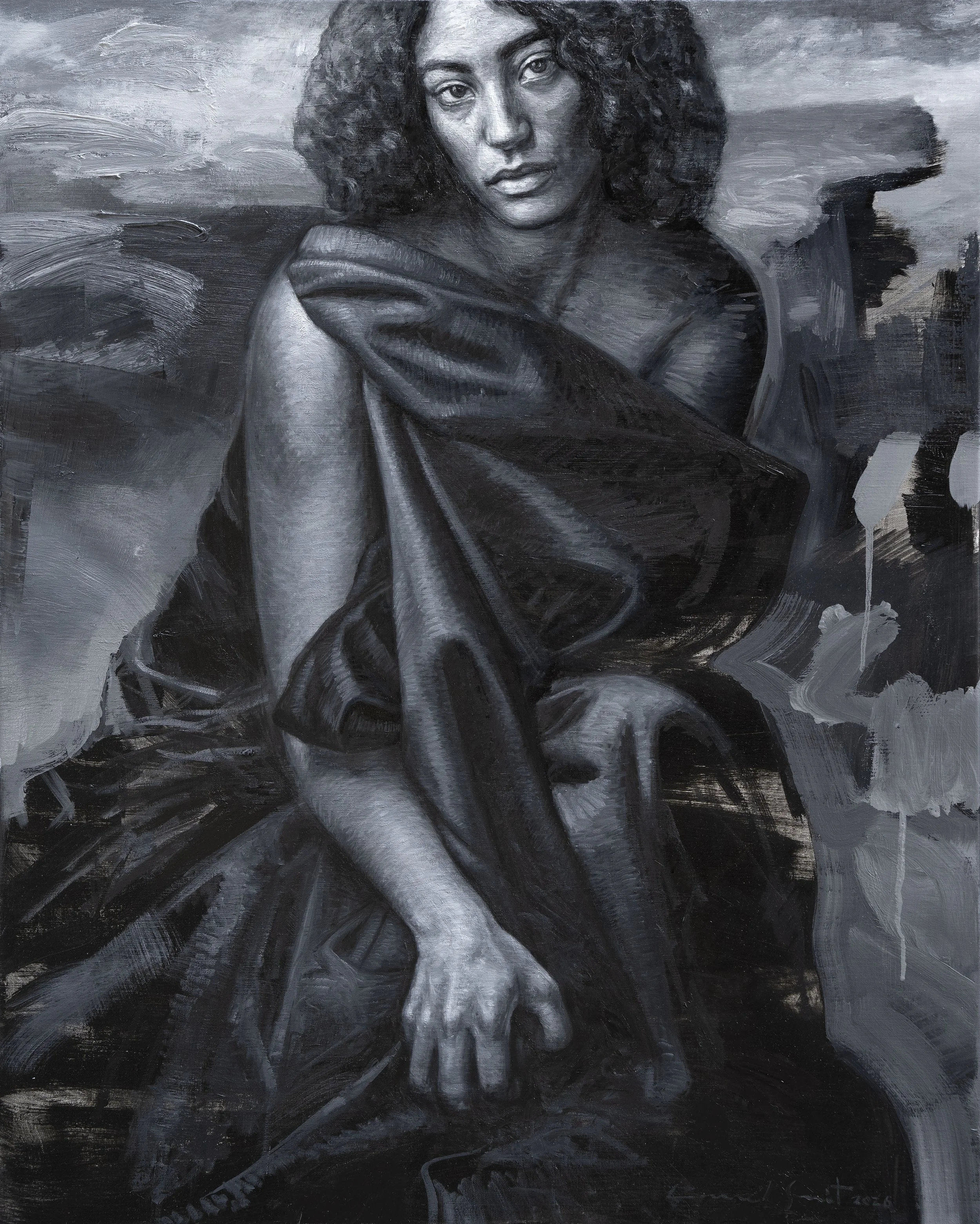
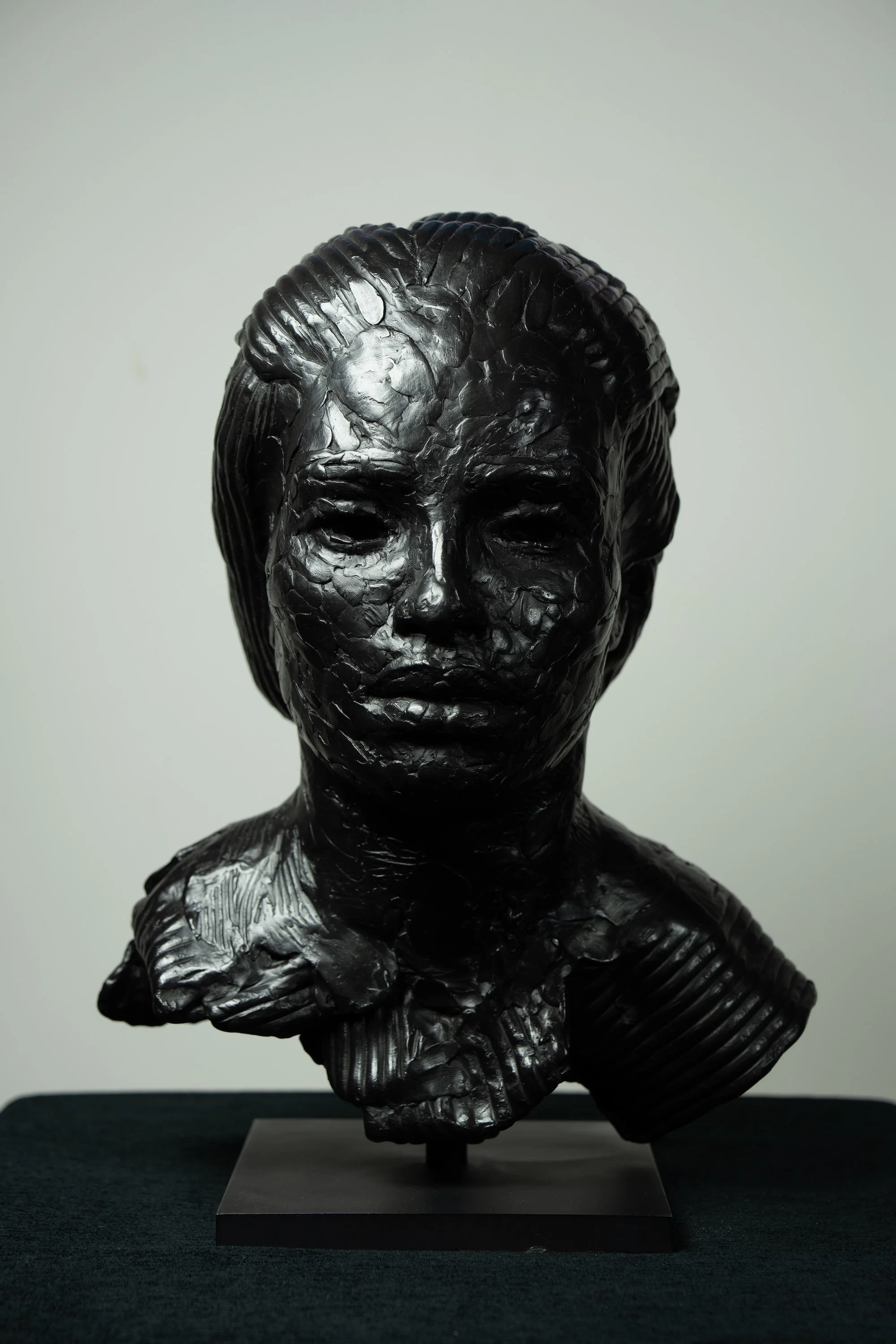
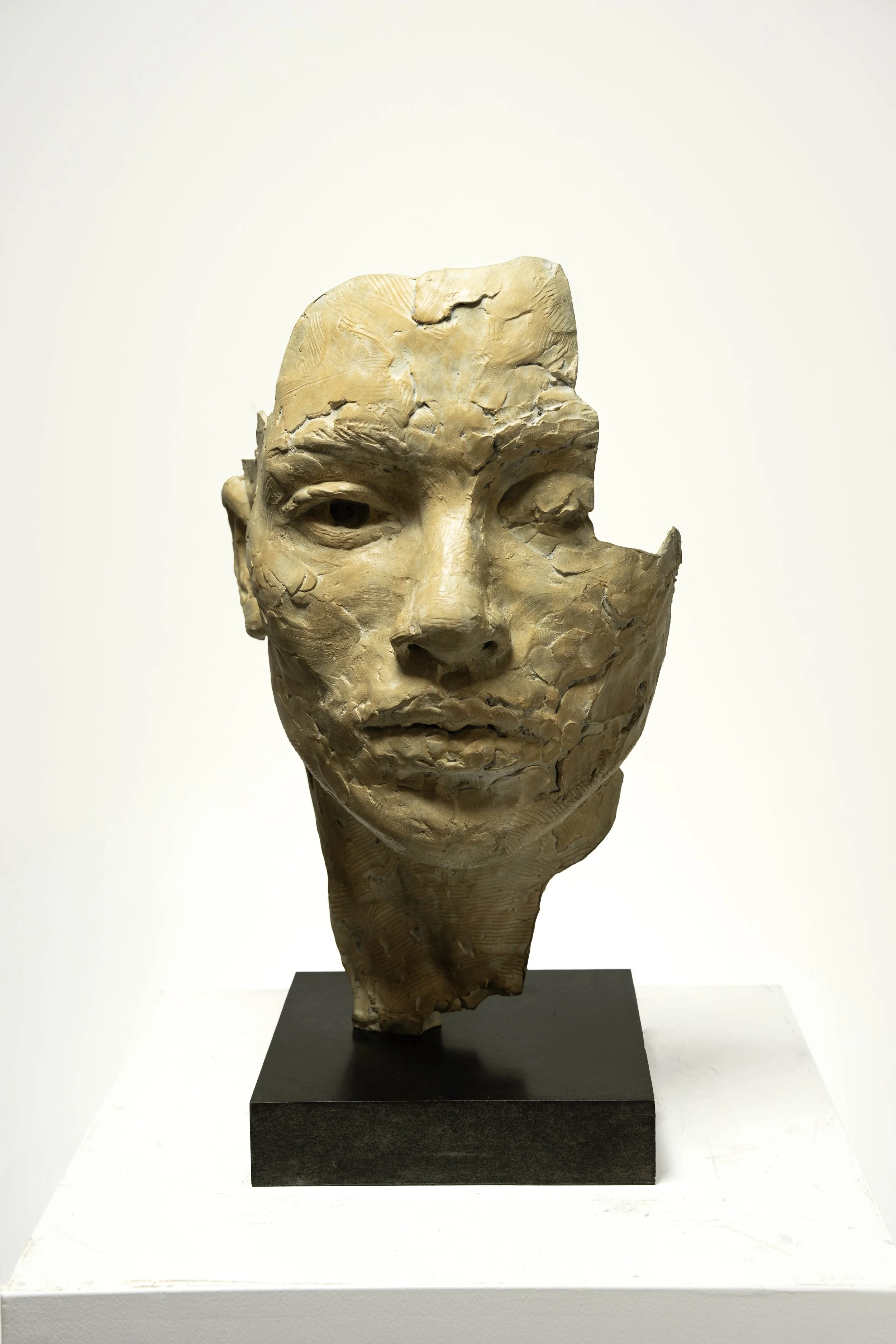
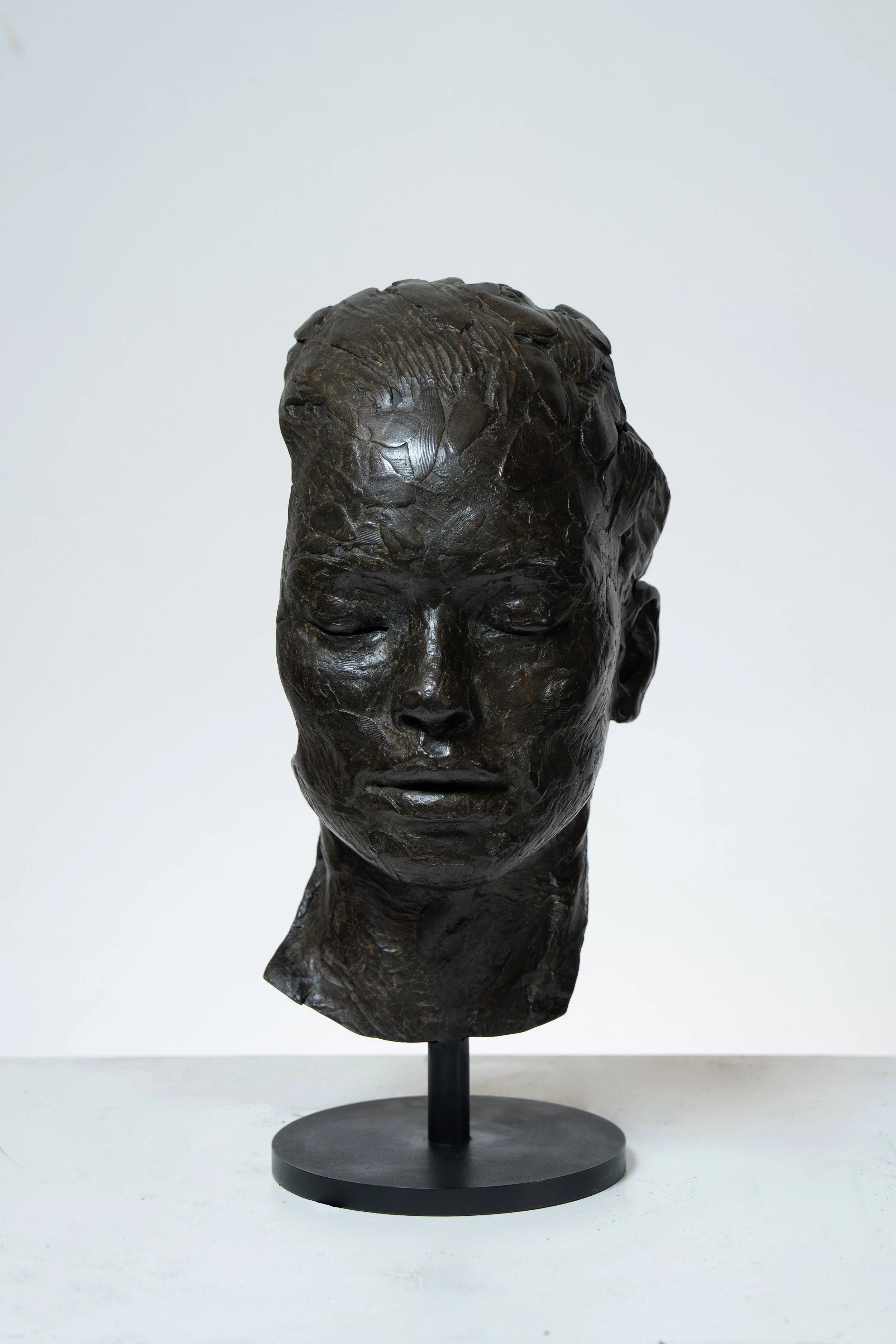
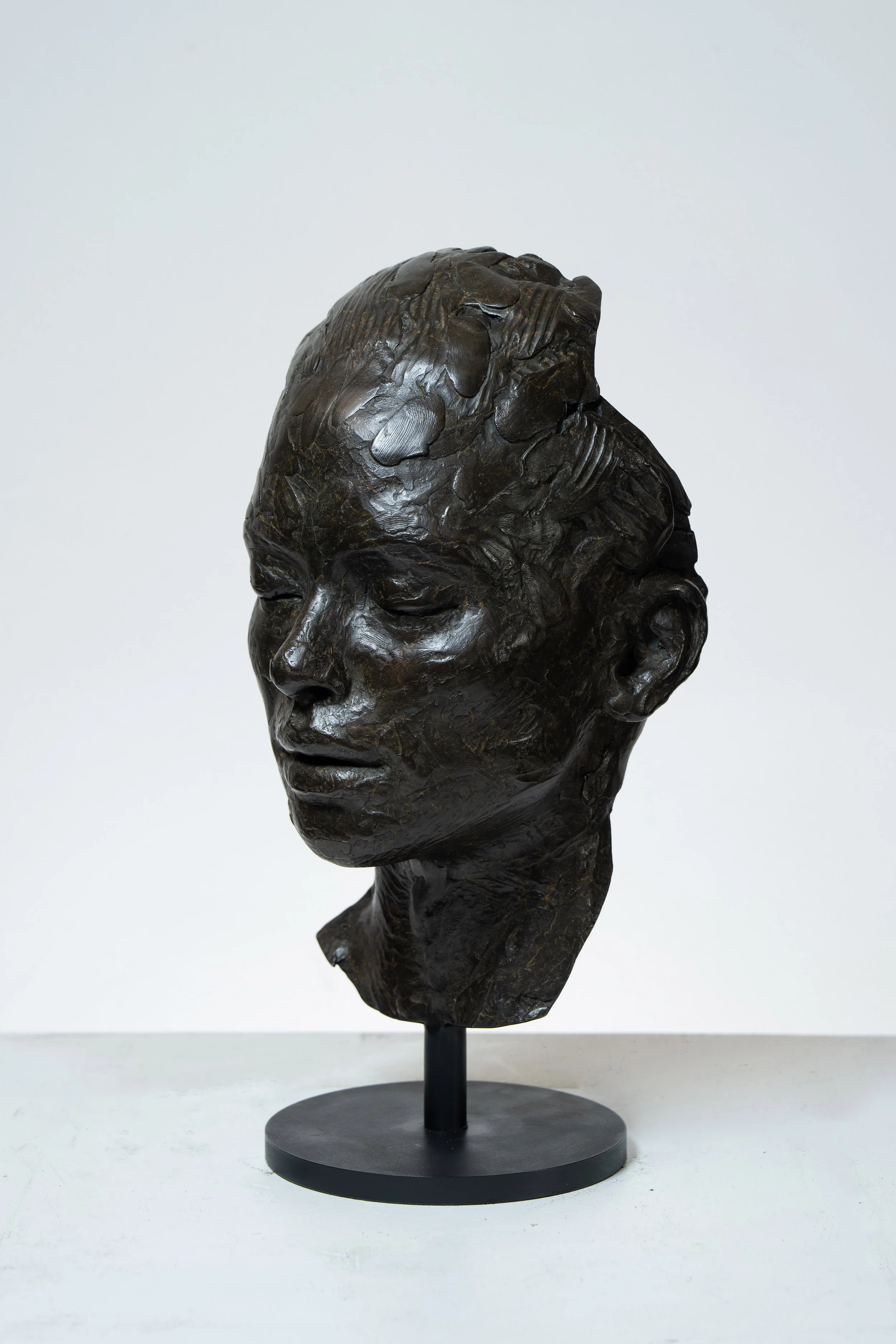
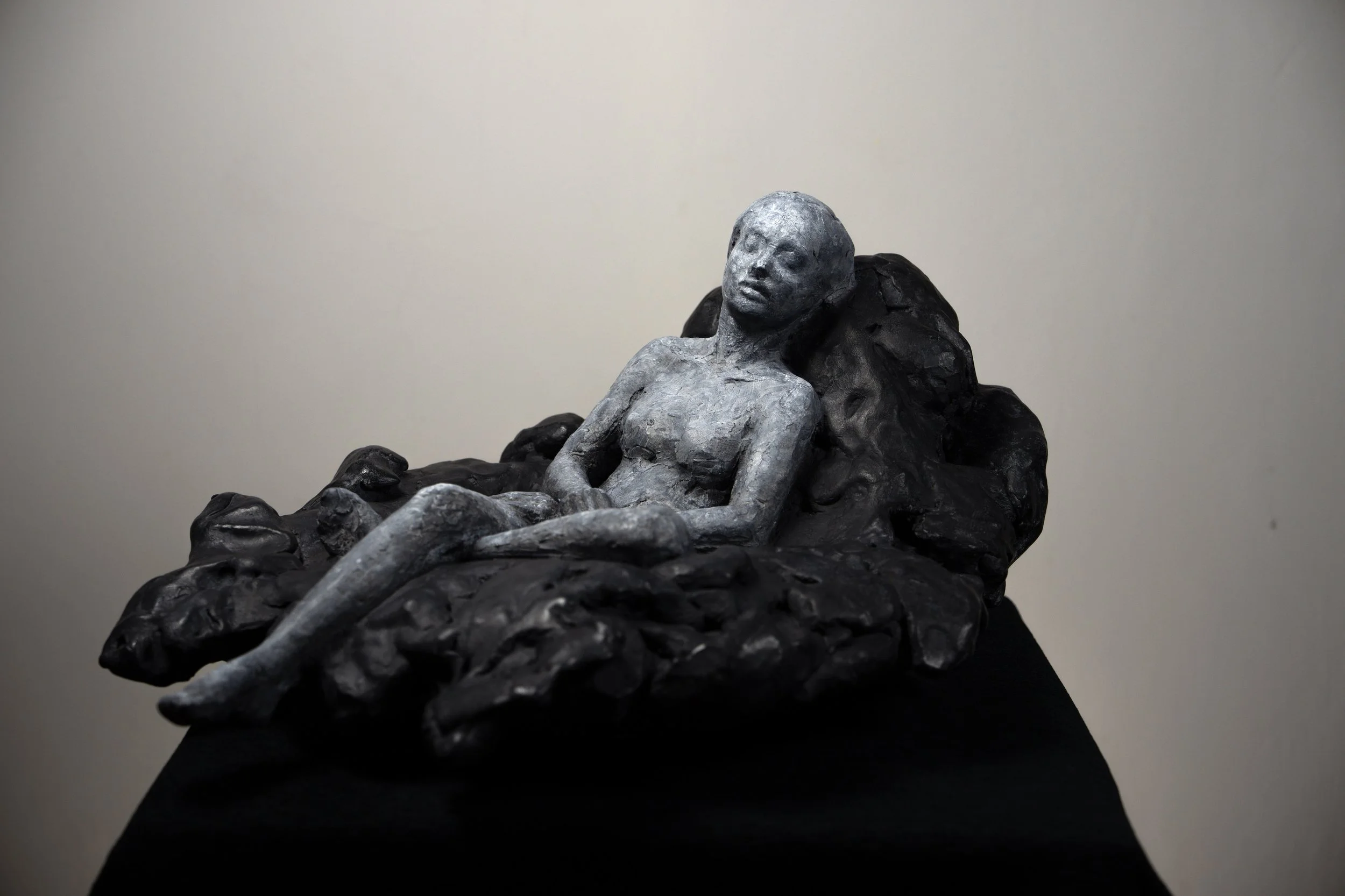
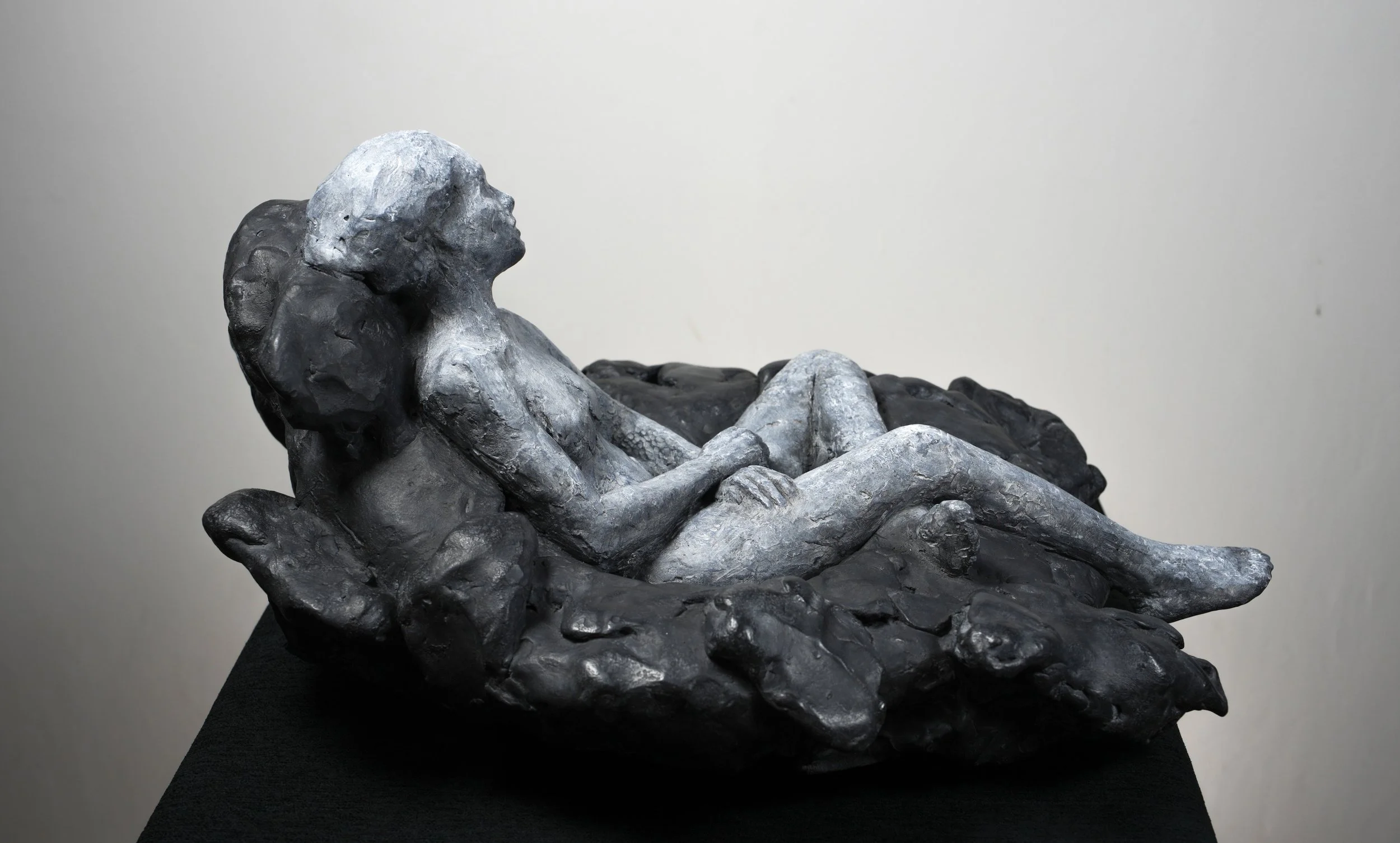
This collection of Lionel Smit's monochromatic paintings and bronze sculptures opens on the 15th of May, 2026.
Reduced Element
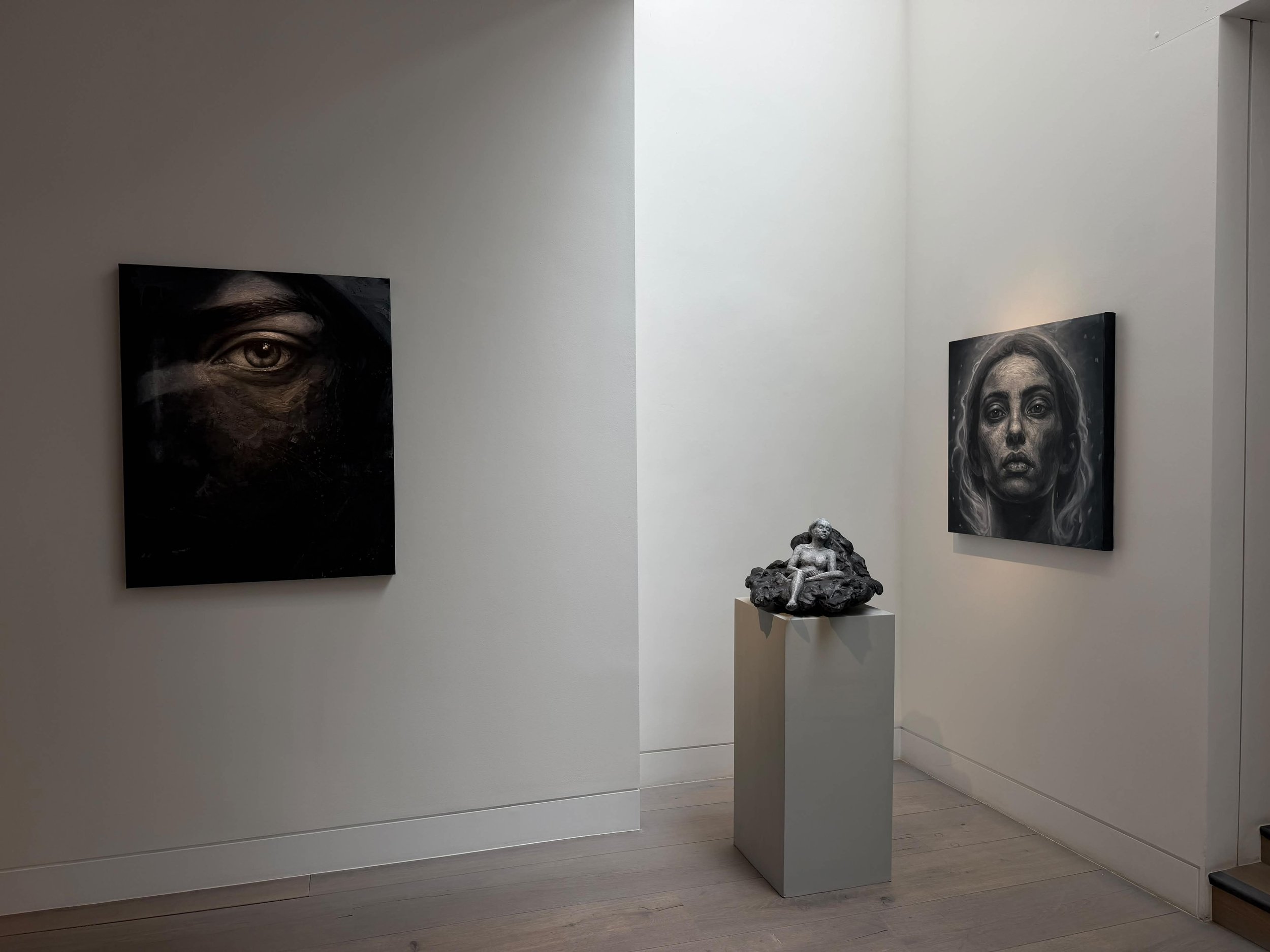
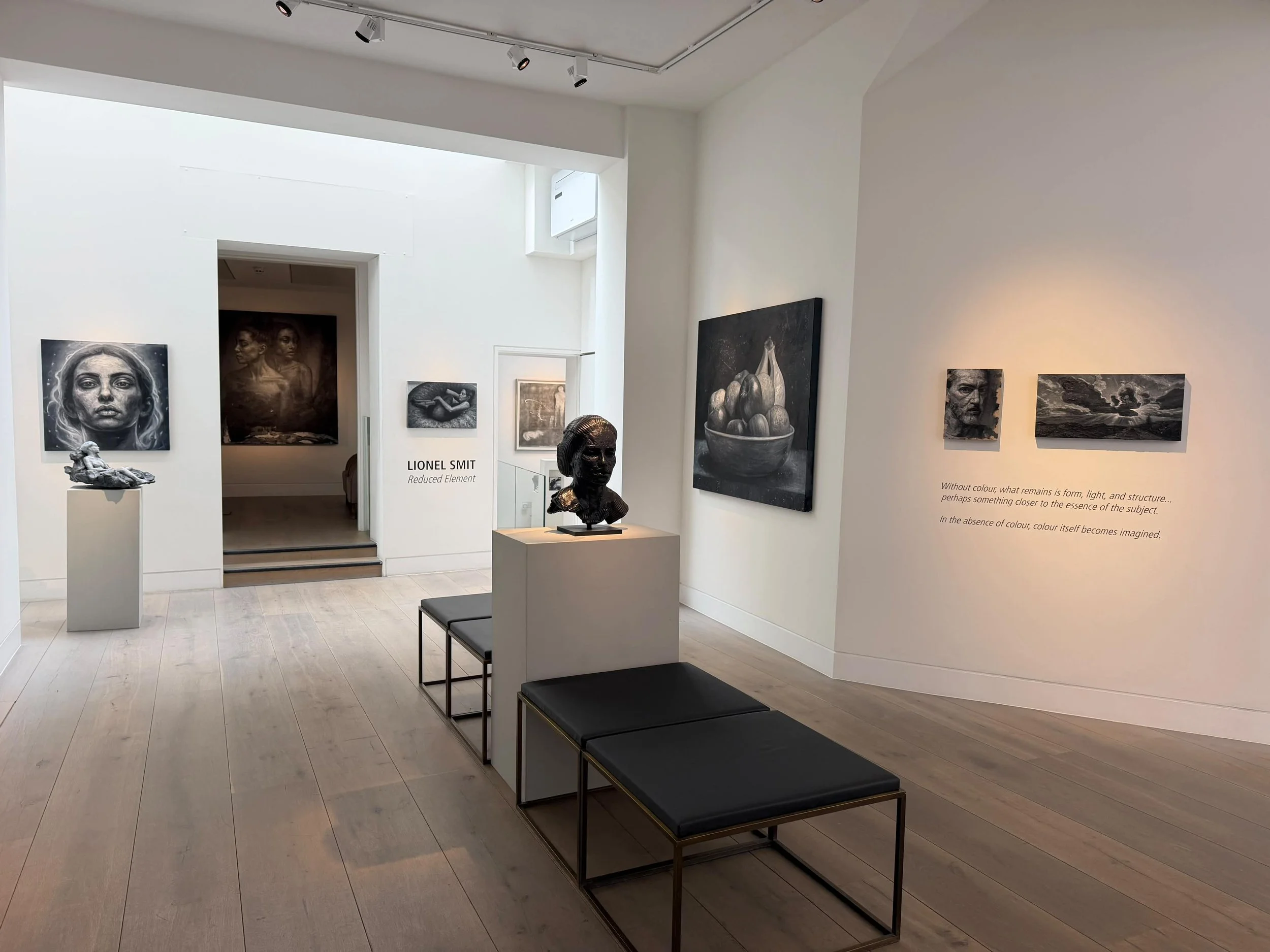
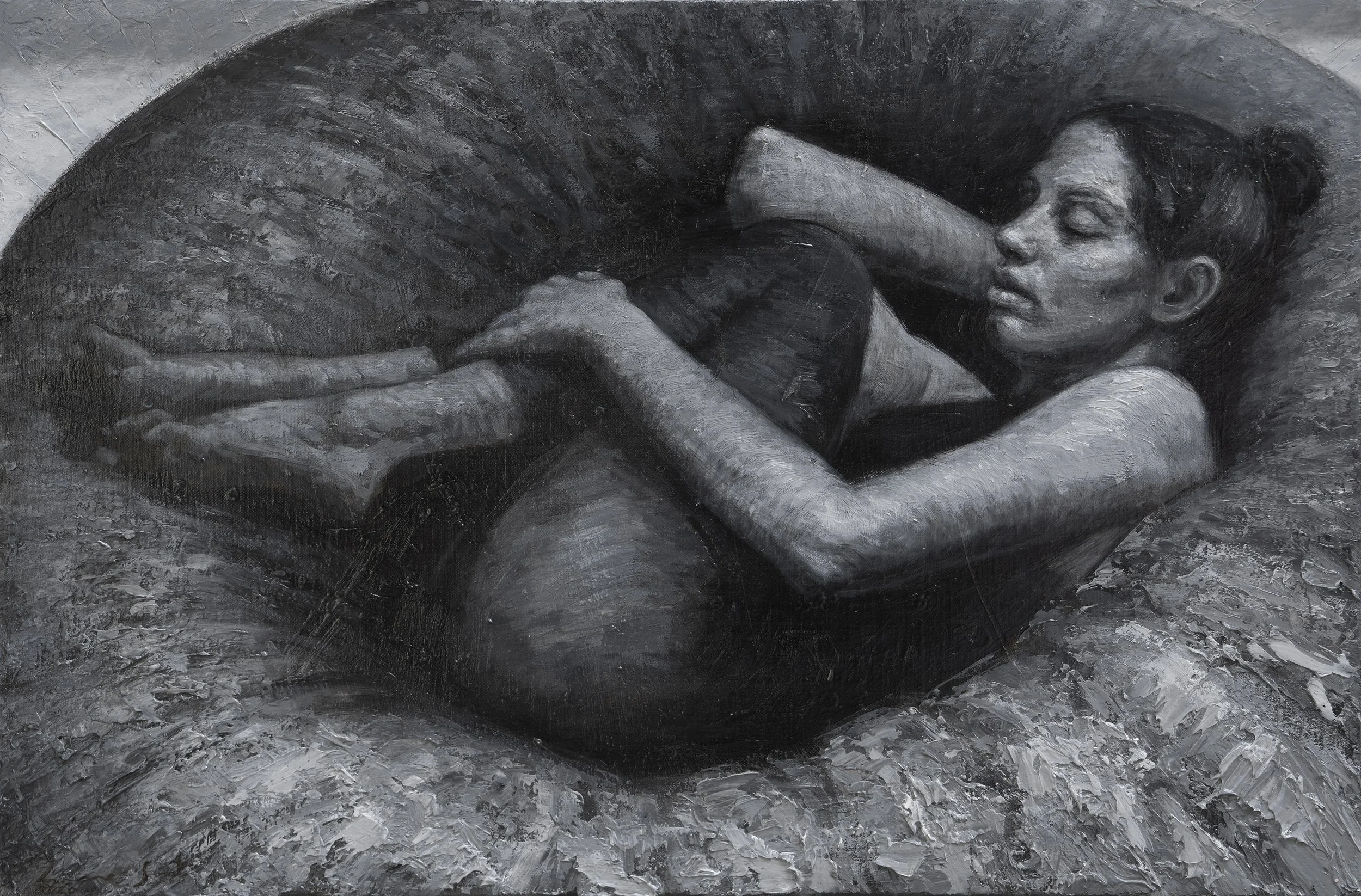
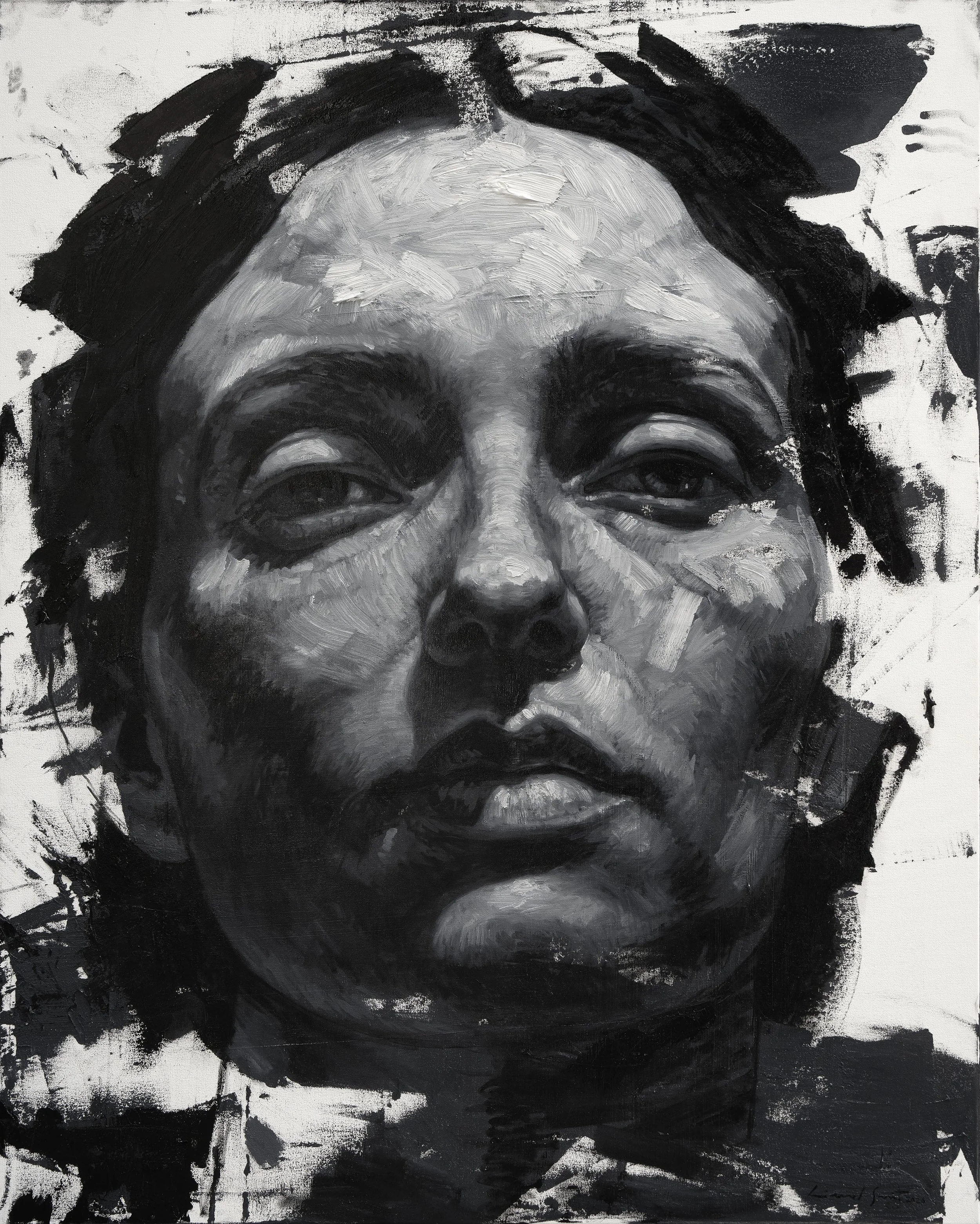
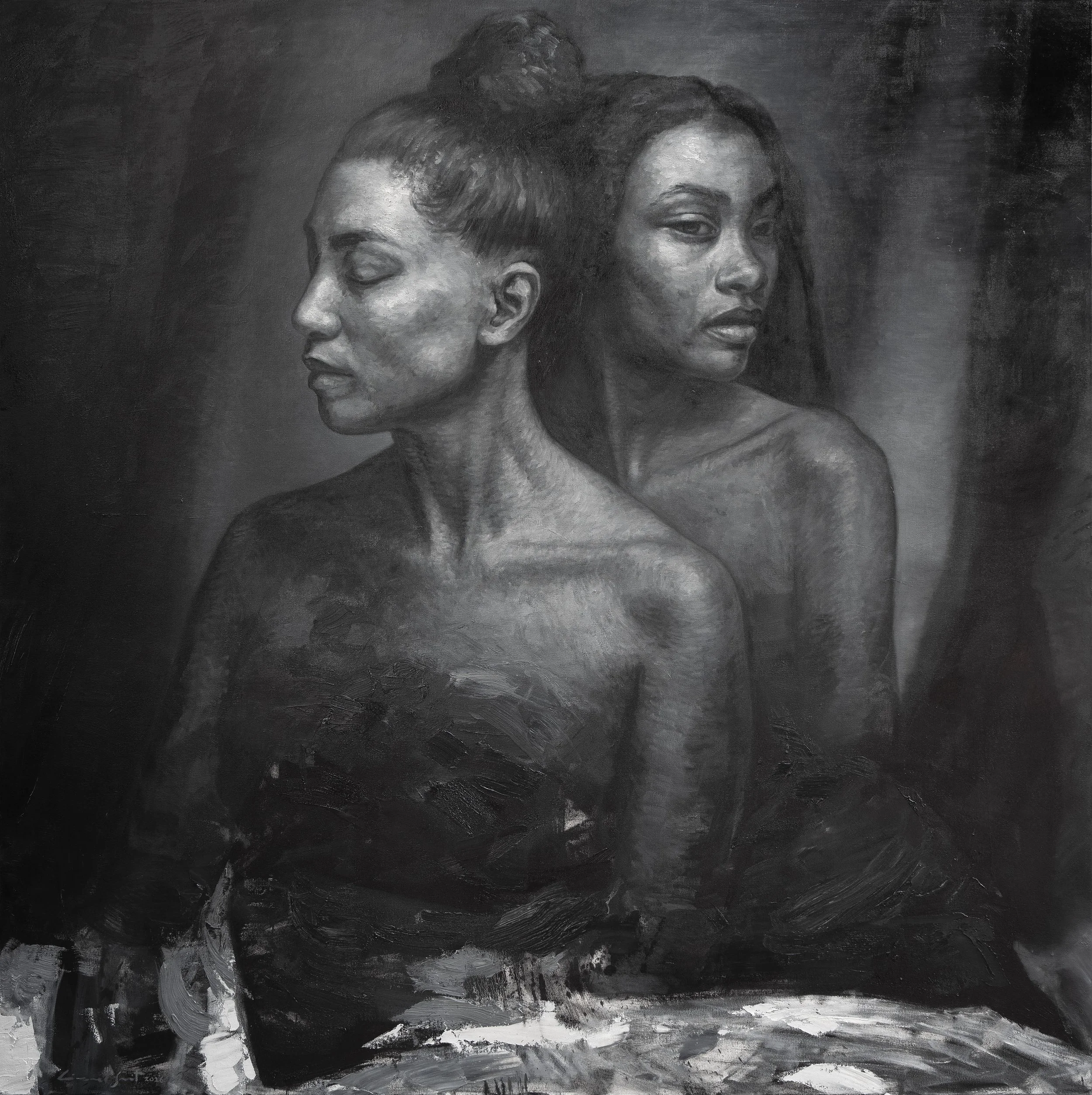
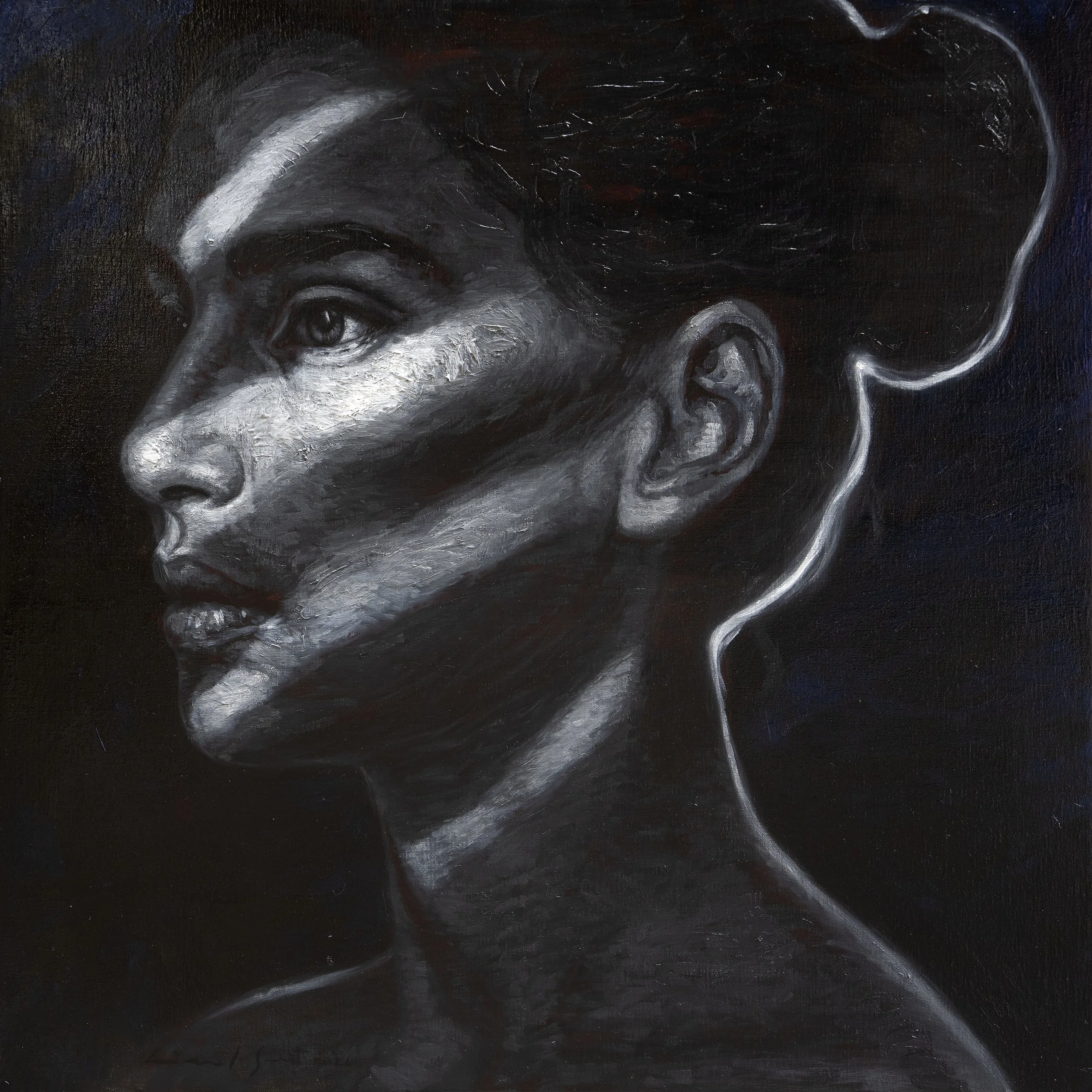
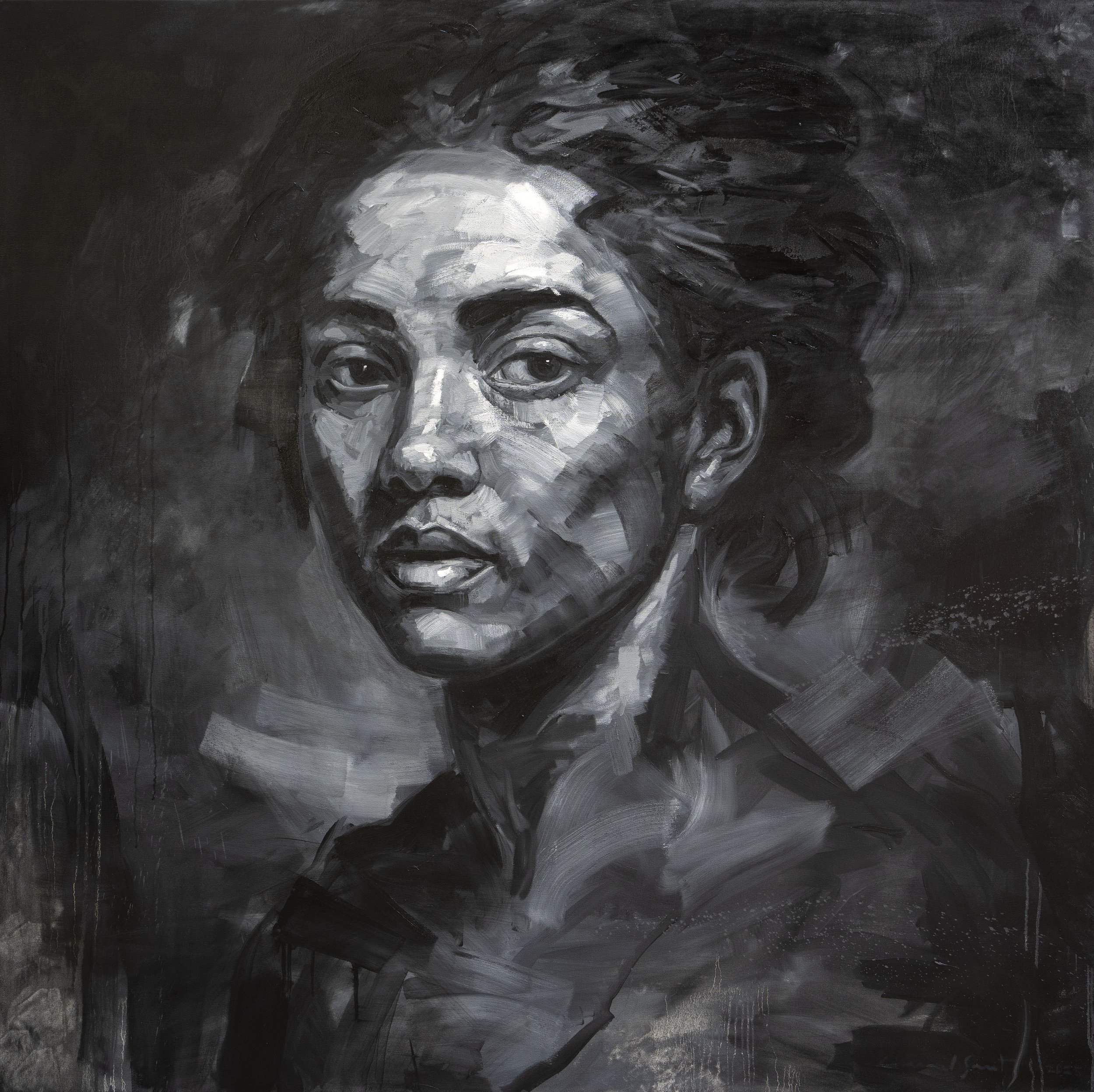
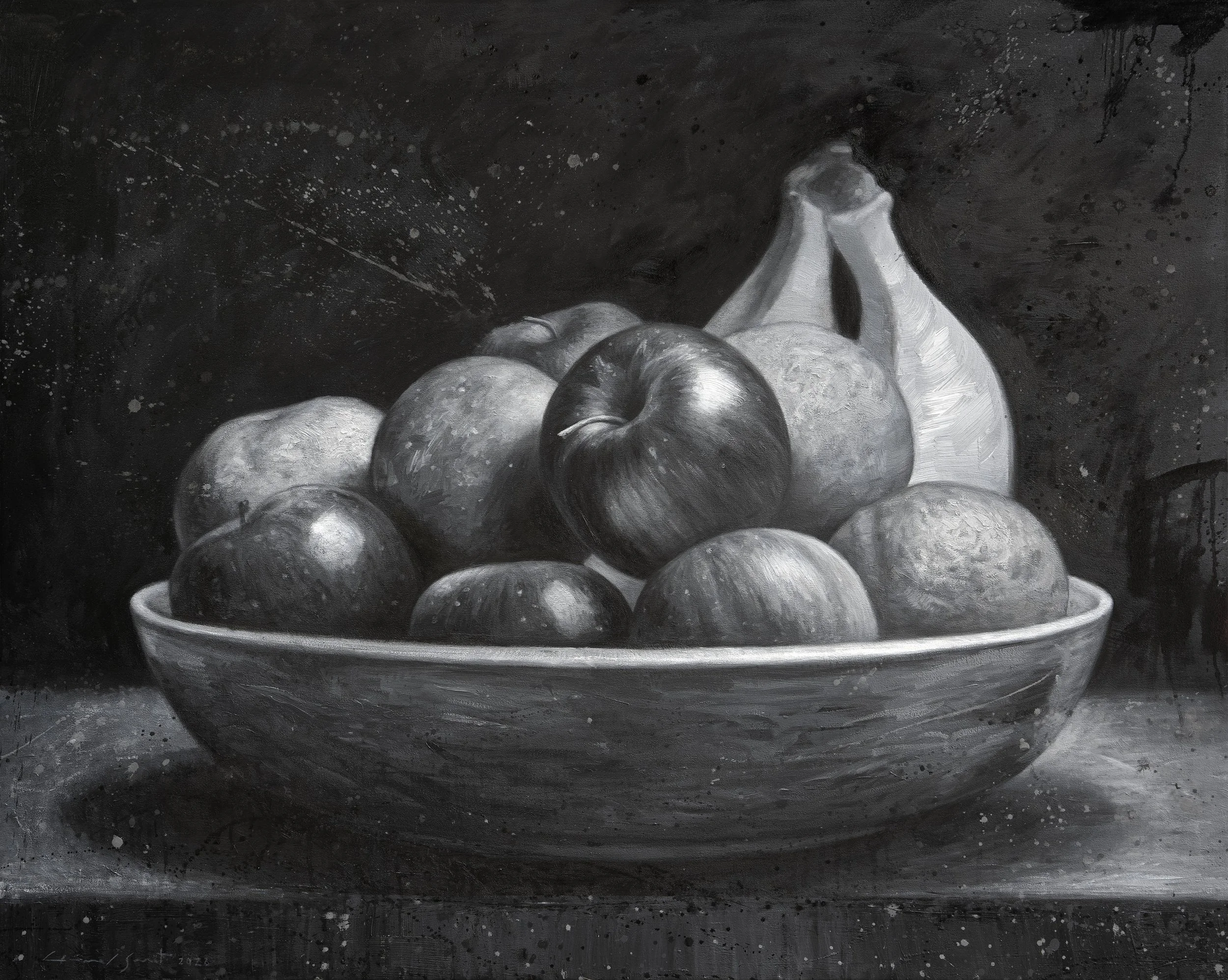
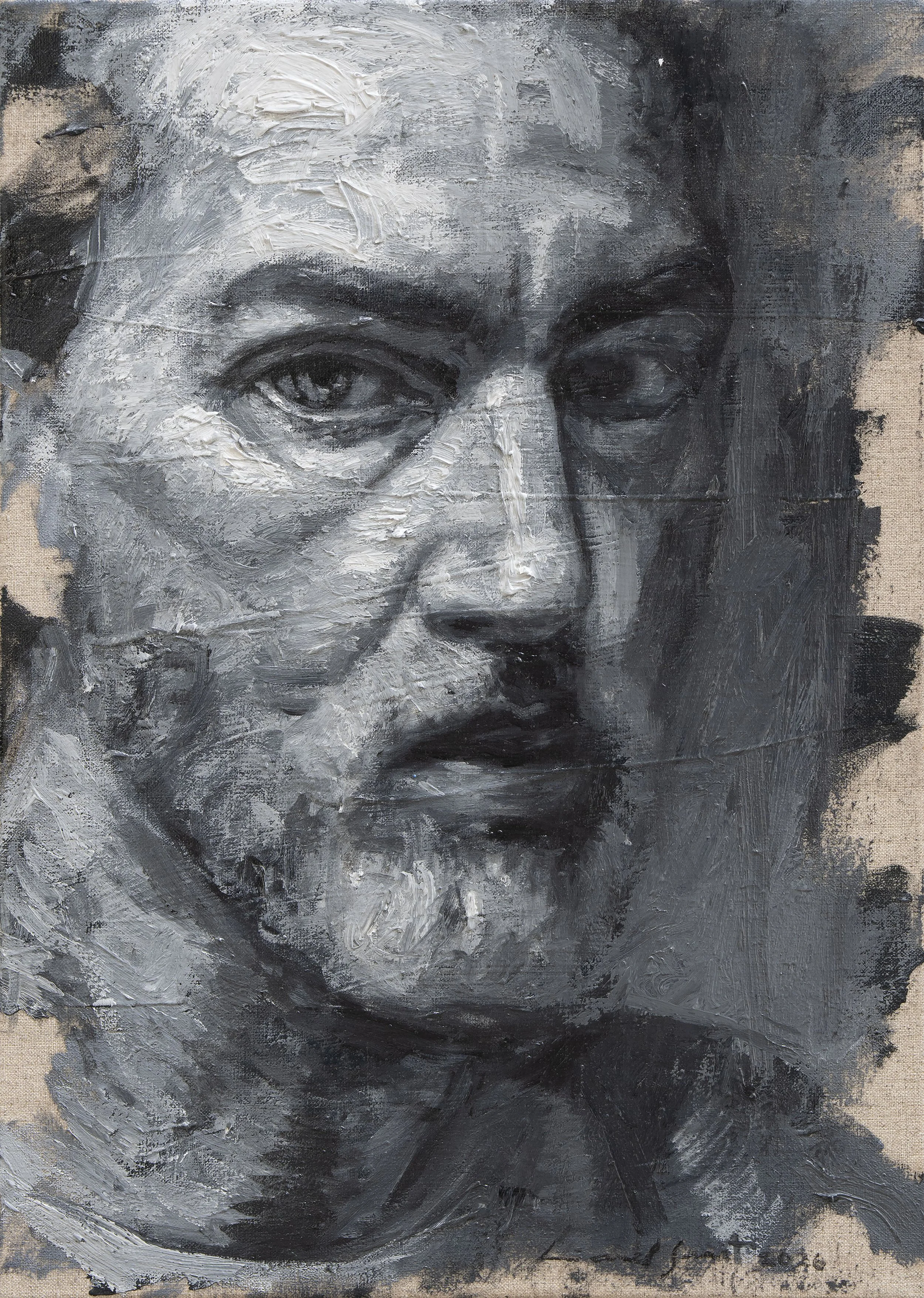
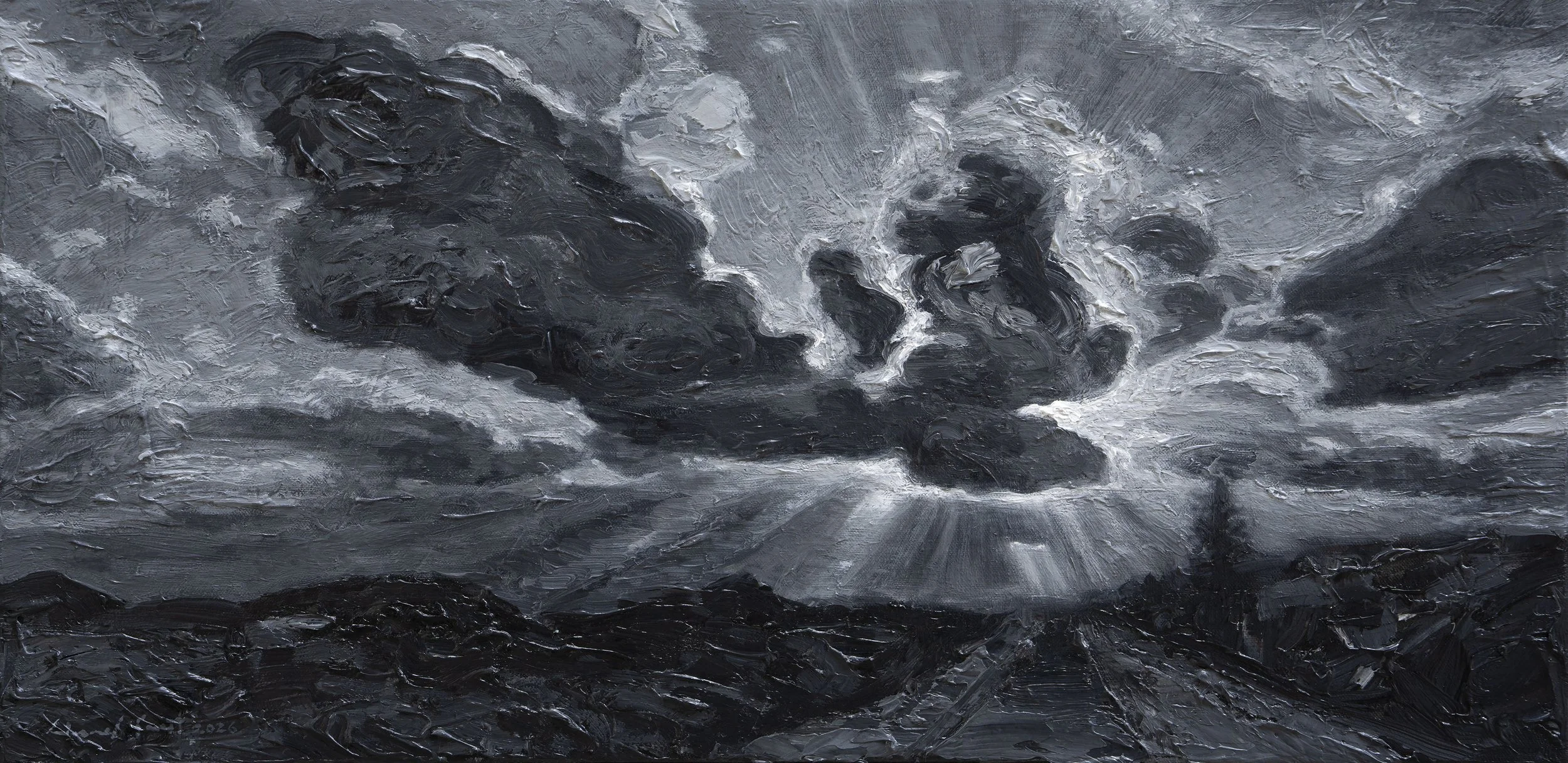
Colour seduces us. It draws us in, complicates our reading of an image, and often becomes the first thing we notice in a painting. In Reduced Element, however, colour has been deliberately removed. Every work in this exhibition is painted using only black and white oil paint, restricting the palette to its most fundamental elements.
Colour carries meaning — a blood-red symbol of power, or a white flag of surrender. In both nature and culture, we attach associations to colour, and over time these associations become visual truths. What you see is what you get.
By removing colour entirely and translating these images into a monochrome palette, the process of painting changes. The work is stripped down to its essentials: light, shadow, form and structure. What initially appears as a restriction becomes an invitation to see differently. When colour disappears, other elements must take its place. Contrast, gesture, texture and tone begin to carry the weight of expression.
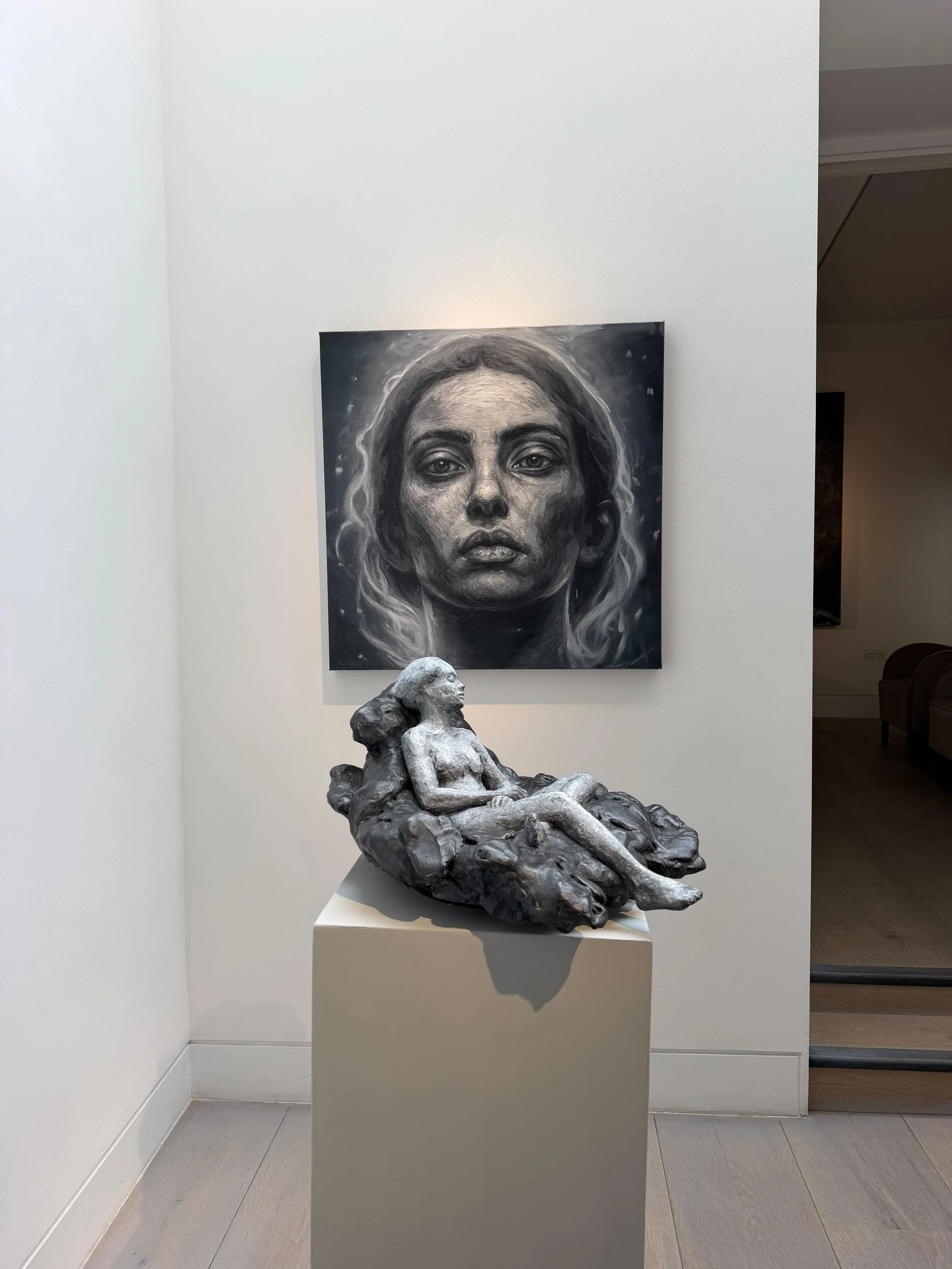
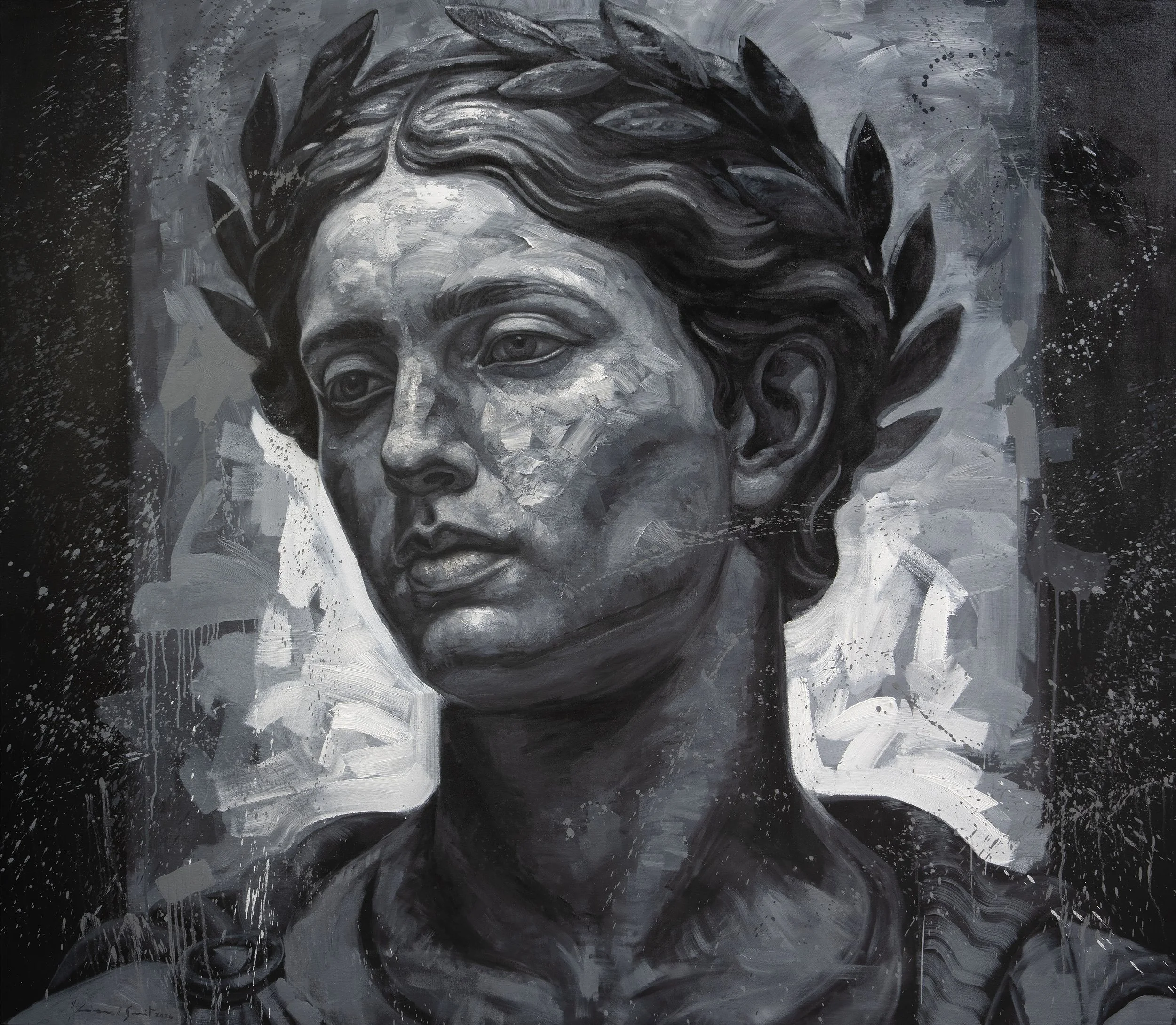
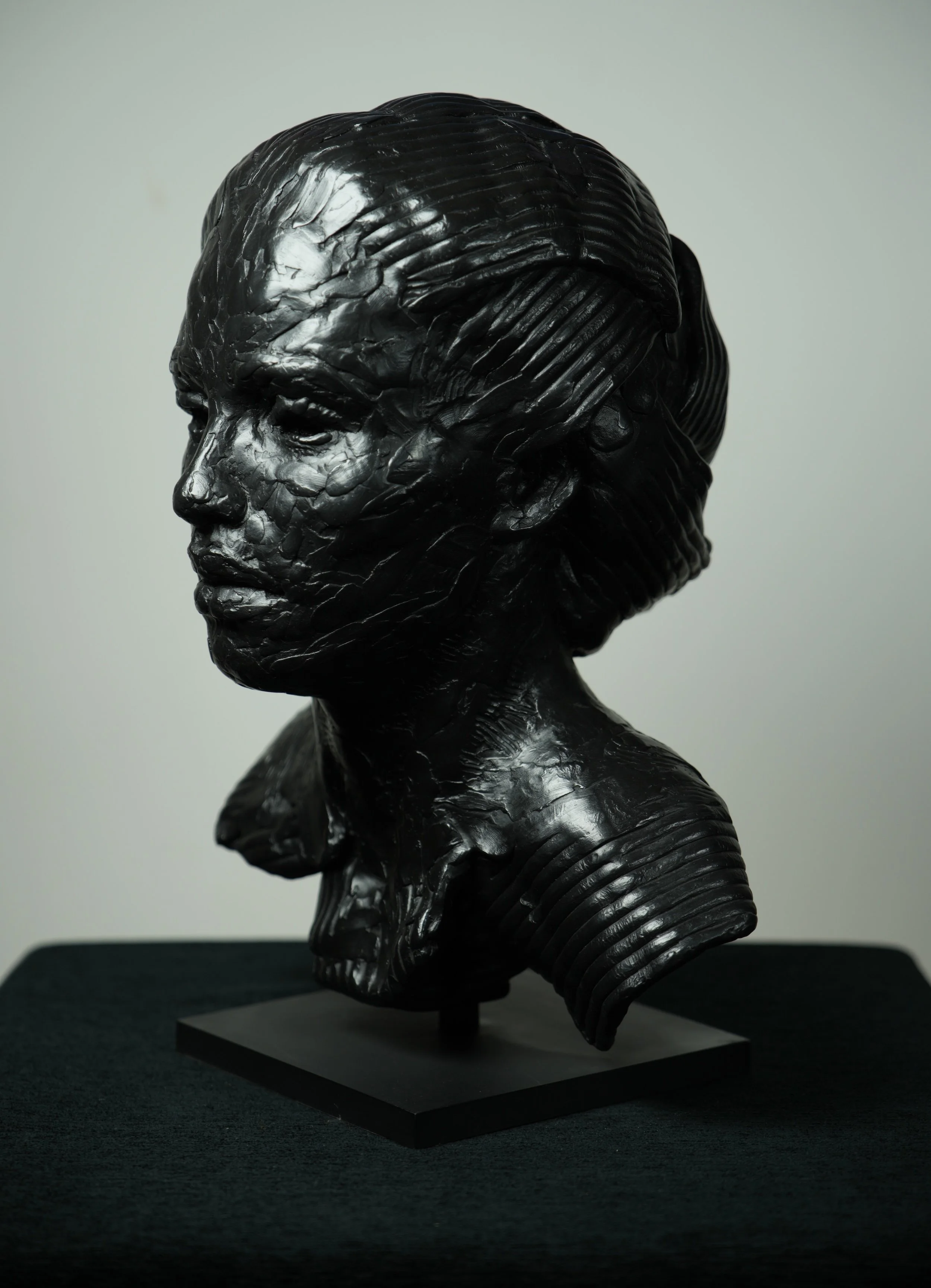
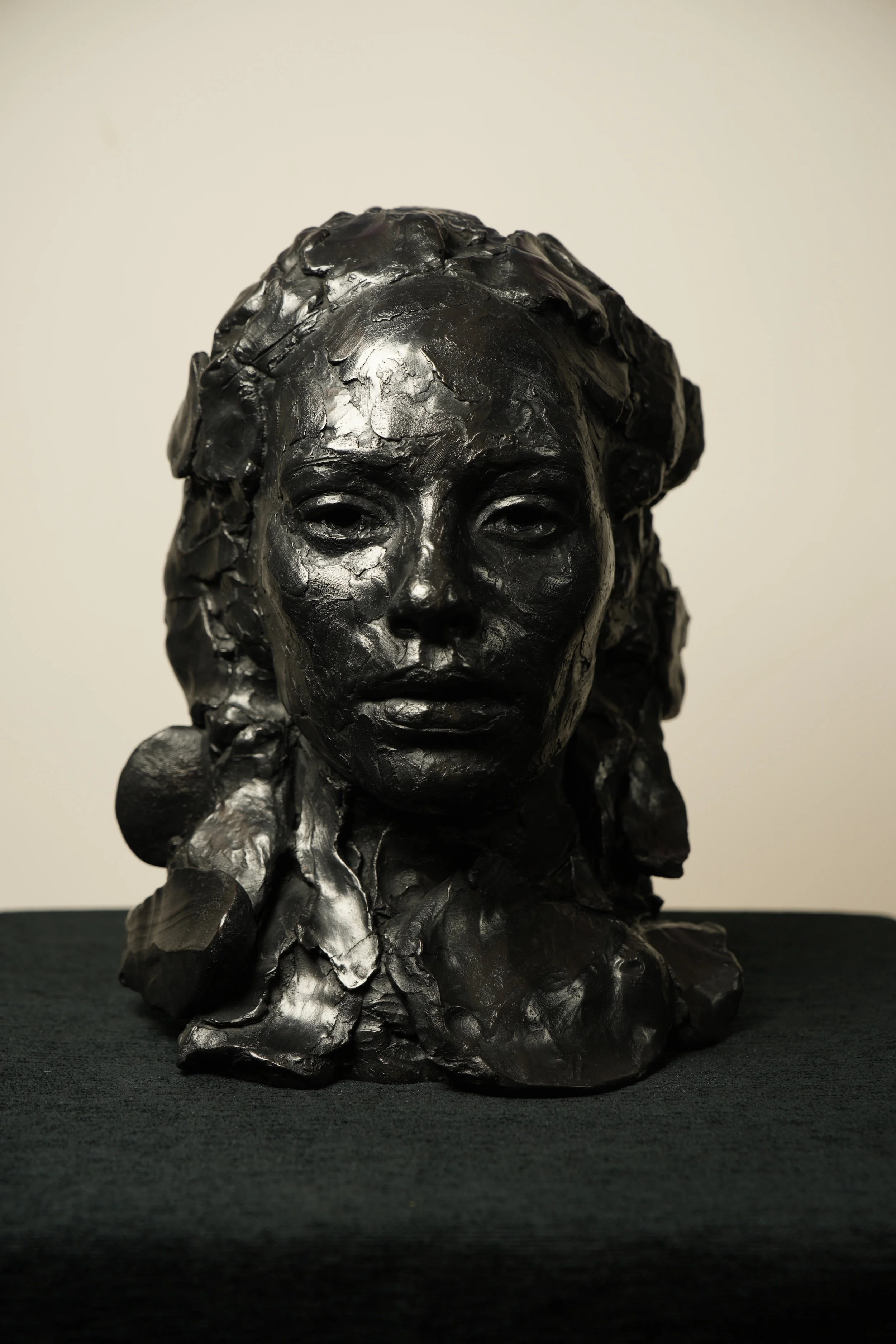
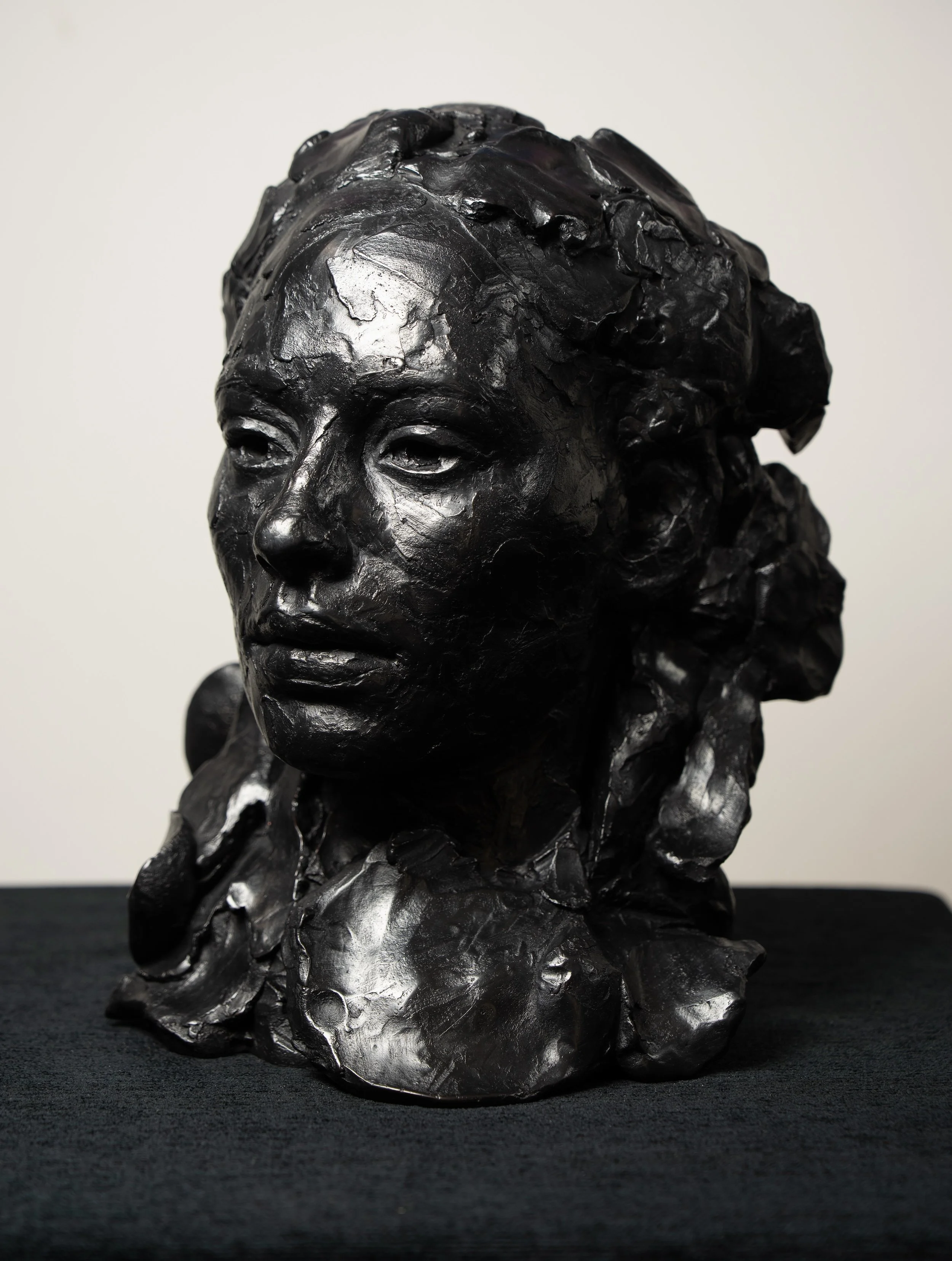
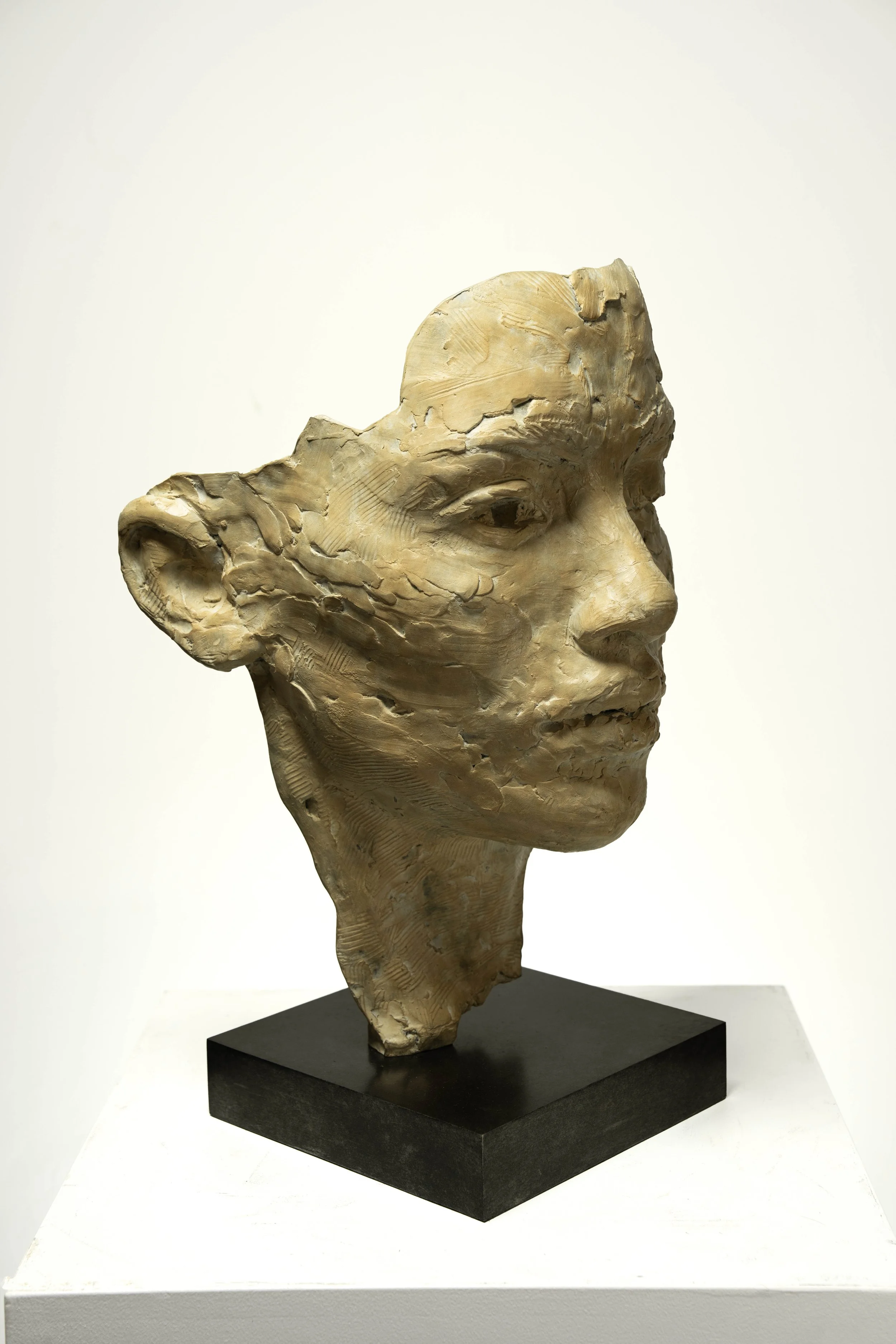
This process began to remind Smit strongly of sculpture in its classical form. In sculpture, colour is rarely considered; instead, the focus lies on mass, light, shadow and the emergence of form. Working in black and white allowed painting to move closer to that sculptural language.
Artist Statement
Working without one of the most distinctive elements in my work — colour — has been both a challenge and a gateway to discovery. Limiting the paintings to black and white became a process of exploration rather than deprivation.
This restriction led me back to some of my earliest inspirations. As a young artist, I was still finding my footing in painting while primarily thinking of myself as a sculptor, creating mostly figurative works in ceramic. Painting without colour began to feel closely aligned with the sculptural process. When sculpting, colour disappears. One is left only with clay, light, shadow and the gradual emergence of form.
In these paintings, I experienced something similar. My brushstrokes shifted toward smaller, more deliberate marks, gradually transitioning between light and dark — almost like folding clay. The paint begins to represent structure and volume rather than surface colour.
Returning to these ideas also brought me back to early painting practices. As a young artist, I spent a great deal of time exploring chiaroscuro — the dramatic interplay between light and shadow. I painted everything I could find in this way: landscapes, still lifes, and self-portraits, simply learning how painting could describe the world through tone alone.
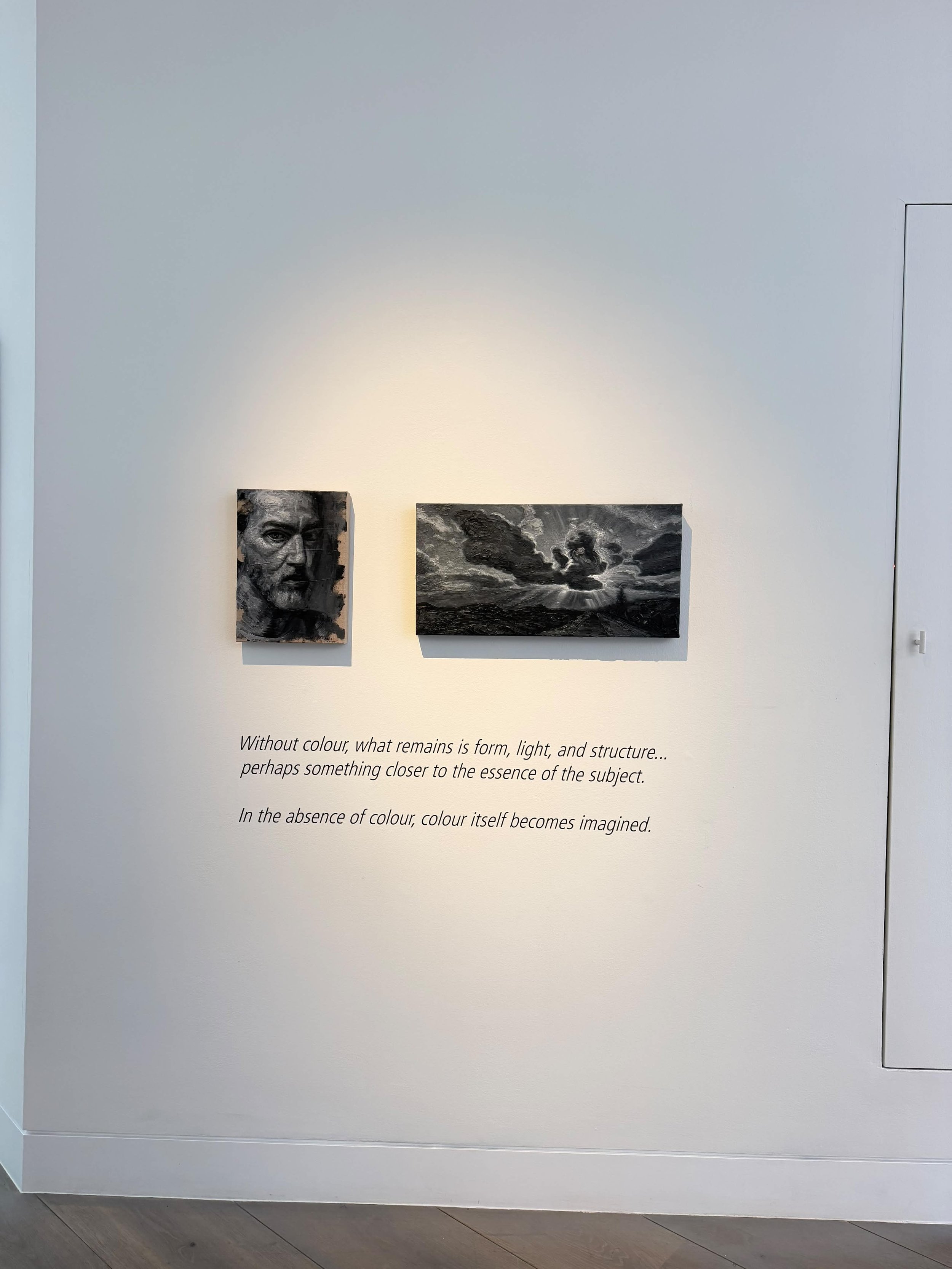
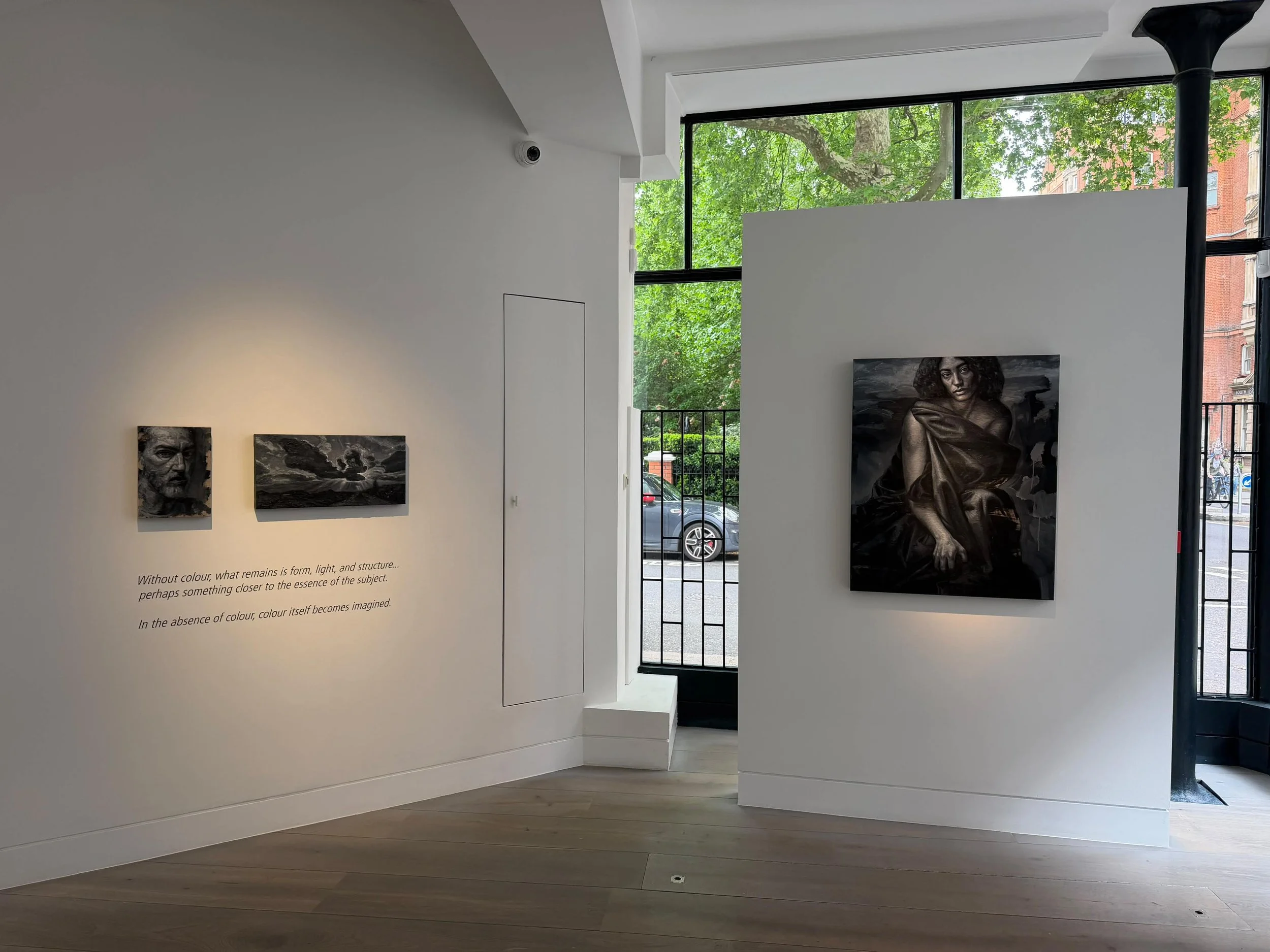
Several works in this exhibition revisit those classical subjects. The still life with fruit references historical depictions such as Caravaggio’s famous fruit bowl. The sunrise and sunset landscapes echo earlier landscape series I painted that relied heavily on dramatic colour, while also recalling Monet’s Impression, Sunrise — the work from which the Impressionist movement famously drew its name. Repeating this process without colour became an interesting exercise — discovering how atmosphere and emotion could still emerge purely through tonal contrast.
Other works draw on archetypal figures from art history. Venus explores the idealised muse — an almost ethereal figure that has appeared throughout centuries of painting and sculpture. The painting Virgin recalls my early studies of Leonardo da Vinci’s Virgin of the Rocks, a work I spent time copying in fragments as a way of understanding its structure, light and composition.
In contrast, Monument explores the idea of power and how it might appear in an ancient form — a Caesar-like figure, both innocent and authoritative, reminiscent of classical Greek sculpture. Inspired by how this process often felt sculptural, I wanted to challenge the idea of making a painting that behaves like a sculpture. The title suggests permanence and presence, referencing the ancient tradition of rulers immortalised in stone.
Without colour, the image becomes something else. What remains is form, light and structure — and perhaps something closer to the essence of the subject. In the absence of colour, colour itself becomes imagined.
Reduced Element runs from 15 May 2026 at Everard Read in London. For more information about the exhibition, contact the gallery at info@everardlondon.com.
Everard Read London
Established in 1913, Everard Read is the leading gallery for modern and contemporary art from South Africa. They are Africa’s oldest gallery representing South African artists with an authentic and considered practice from diverse backgrounds. Their galleries are home to world-class exhibitions of artists across a variety of media and genres, from a wide-ranging group of South African artists and artist estates. Everard Read has seven distinct galleries in four locations - Cape Town, Johannesburg, London and Franschhoek - all optimised to accommodate the breadth of their artists’ creations and envisaged as oases for the communities they serve.
For inquiries at Everard Read London:
info@everardlondon.com
+44 (0)20 7590 9991
80 Fulham Road, London, SW3 6HR
Opening hours:
Monday - Thursday 10am - 6pm
Friday 10am - 5pm
Saturday 12 - 4pm